

5 Ways Understanding Family History Can Help Explain Childhood Experiences

5 Ways Understanding Family History Can Help Explain Childhood Experiences
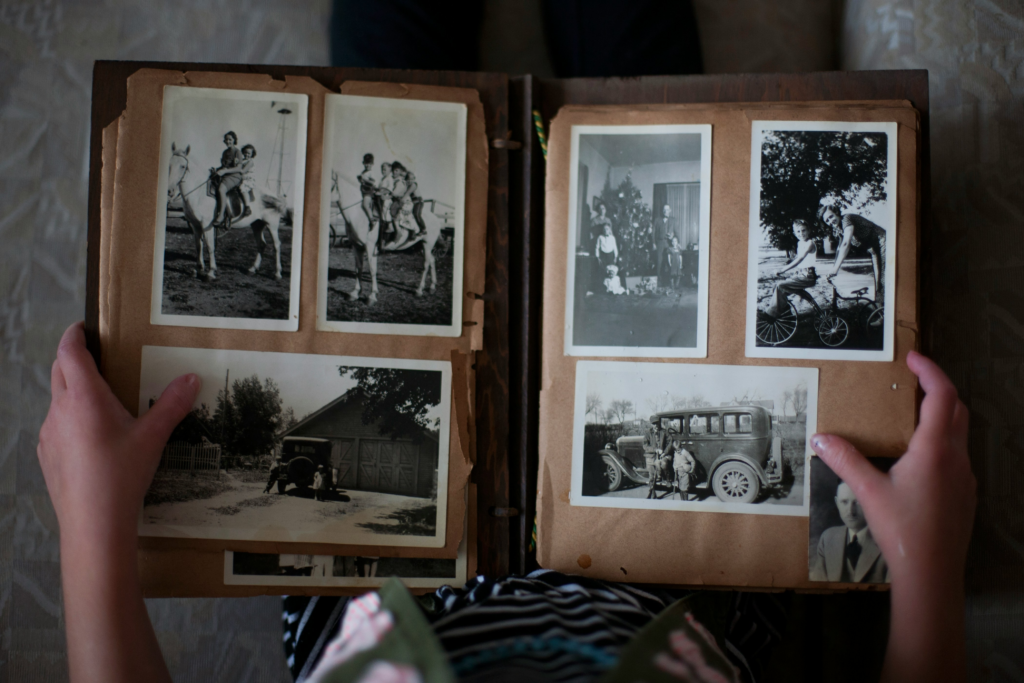
Childhood shapes us in ways we rarely question. The atmosphere in our homes, the beliefs our parents held, and the topics that were never discussed all become part of how we see the world. Yet many of these experiences make more sense once we learn the family history behind them.

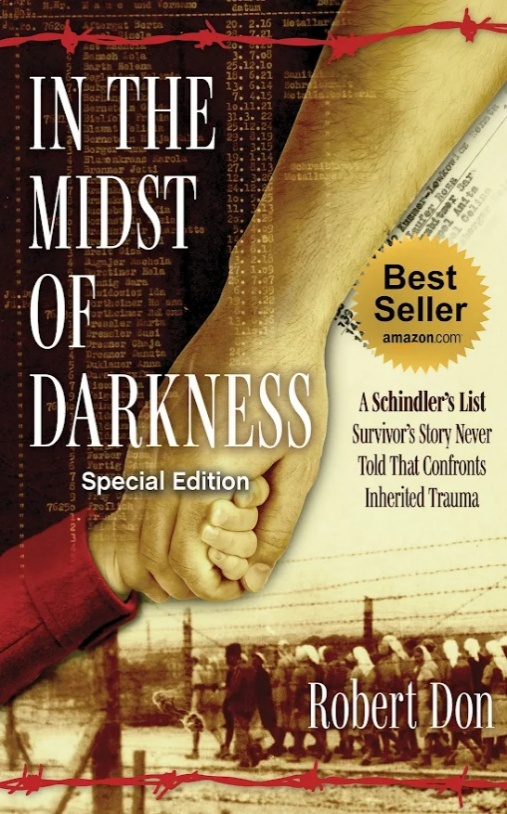
This is the journey at the center of Robert Don’s memoir, In the Midst of Darkness: A “Schindler’s List” Survivor’s Story Never Told That Confronts Inherited Trauma. After learning that his mother had survived the Holocaust as one of Oskar Schindler’s Jews, Don began to understand his own childhood in a completely new light. His story shows five ways understanding family history can help explain where we come from.

1. It Gives Context to the Atmosphere of a Childhood Home

Children often assume their family’s way of living is normal. Don grew up in a home shaped by his mother’s Holocaust trauma, where fear, anger, and suspicion were part of everyday life. Only later did he see how strongly her past had colored his early years.

Learning the history behind a household’s mood can turn confusion into clarity. What once seemed like personality or mystery may turn out to be the echo of something much older.

2. It Reveals Where Beliefs and Prejudices Begin

Many of the ideas we hold as children come directly from our families. In the memoir, Don inherited his mother’s intense hatred of Germans, including his own German stepmother. He accepted her view without question because he had no other perspective to compare it with.

Exploring family history lets us ask where our beliefs came from and whether they still belong to us.

3. It Fills the Gaps Left by Unspoken Stories

Missing information can leave people sensing emotions without understanding their sources. Don did not learn that his mother was on Schindler’s list until five years after her death, when his father told him in synagogue on Yom Kippur in 1993.

That discovery filled a gap he had lived with all his life. It helped him see that the silences in his family were not empty, but full of loss, fear, and memories too painful to share.

4. It Helps Us See Parents as People With Their Own Stories

When we learn what our parents and grandparents lived through, we often see them differently. Don’s mother lost her parents and most of her siblings to the Holocaust. Understanding that loss helped him see her reactions as those of a deeply wounded person instead of simply a difficult parent.

He also came to better understand the experiences of others in his family, including his stepmother’s German background, and learned that individual stories rarely fit simple categories.

5. It Opens the Door to Healing and Change

Knowing where a pattern began makes it easier to change. Families can begin by:

  • Asking relatives about their experiences and listening with patience
  • Writing down stories and dates before they are lost
  • Noticing which reactions or beliefs may have been inherited
  • Choosing which patterns to keep and which to leave behind

Understanding the past does not change what happened, but it can change what we do with it.
A Memoir About Finding the Story Behind the Story

In the Midst of Darkness is both a Holocaust memoir and a model for how any of us can learn from our own family history. Robert Don’s willingness to ask questions, research the past, and examine inherited beliefs offers a powerful example for readers who want to understand their own roots.

In the Midst of Darkness by Robert Don shows how discovering the truth about the past can transform the way we see our childhood, our families, and ourselves.

Read Robert Don’s memoir, In the Midst of Darkness, and discover how family history can change the story you thought you knew.


The Story My Mother Couldn’t Tell Me: Discovering the Truth Behind My Family’s Past

The Story My Mother Couldn’t Tell Me: Discovering the Truth Behind My Family’s Past

For much of my life, I knew my mother was a Holocaust survivor. I knew she had endured unimaginable suffering, lost the people she loved, and carried memories that never left her. But I did not know the complete story of her survival.

There was a part of her past that remained hidden from me, a truth that I would only discover years later.

In my memoir, In the Midst of Darkness: A “Schindler’s List” Survivor’s Story Never Told That Confronts Intergenerational Trauma, I share the journey of discovering the story my mother couldn’t tell me and how that revelation changed my understanding of my family, my childhood, and the trauma passed from one generation to the next.

Growing Up with a Story I Didn’t Fully Understand

I grew up knowing that my mother, Rosa Laufer Don, had survived the Holocaust. But as a child, I could not truly understand the magnitude of what she had experienced.

She had lost her parents, her sisters, and her brother during the Holocaust. Her family was murdered in Nazi concentration camps, including Auschwitz and Belzec.

I saw her pain, her anger, and her grief, but I was too young to understand where they came from. I only knew that the past was always present in our home.

My mother’s memories shaped the way I saw the world. Her trauma became part of my childhood, and I absorbed emotions that were connected to experiences I had never personally lived through. As I later came to understand, my mother’s trauma became my trauma.

The Secret My Mother Took with Her

The most surprising discovery about my family’s history came after my mother had passed away.

I learned that she had been one of the Jewish survivors saved by Oskar Schindler.

For years, I never knew that my mother was on Schindler’s List. I never understood why she never told me this part of her story. It was something I would never be able to ask her.

That discovery forced me to look at my childhood memories differently.

I had grown up believing that Germans represented only hatred and destruction because that was the reality my mother experienced during the Holocaust. But the truth of Schindler’s actions showed me that history is more complicated than I once believed.

Understanding the Difference Between Pain and Identity

Learning my mother’s full story did not erase the suffering she endured. It did not change the horrors she survived or the losses she carried.

But it helped me understand something important: trauma can shape how we see the world, and if we are not careful, that pain can be passed to the next generation.

As a child, I did not have the ability to separate my mother’s fears from my own beliefs. I saw the world through her eyes because I trusted her completely.

Only later in life did I begin to understand that honoring my mother’s experience did not mean carrying all of her pain forever.

Finding Healing Through the Truth

Discovering the story my mother couldn’t tell me became an important part of my own healing.

For years, I struggled with anger, confusion, and questions about my family. Why did my mother carry so much hatred? Why did I see certain people through a lens created before I was even born? How much of my identity came from my own experiences, and how much came from inherited trauma?

The answers were not simple.

But understanding my mother’s story allowed me to see her not only as someone who caused pain, but also as someone who had survived unimaginable suffering.

Conclusion: The Stories We Carry Forward

Every family has stories that shape who we become. Some are spoken openly. Others remain hidden because the pain is too difficult to revisit.

My mother’s story was one of survival, loss, and resilience. But it was also a story about the lasting impact of trauma and the responsibility of future generations to understand what they inherit.

Discovering the truth did not change the past. But it changed the way I carried it.

I learned that remembering history is essential, but healing requires understanding. We can honor those who suffered while still choosing compassion, hope, and a different future.

Discover My Journey in In the Midst of Darkness

In the Midst of Darkness is my attempt to share the story my mother could not tell me.

It is not only a Holocaust survival story. It is the story of what happens after survival, the emotional legacy carried by children, the impact of unspoken trauma, and the difficult path toward understanding and healing.

Through my family’s journey, I hope readers will see how history continues to influence us, how truth can transform our understanding, and how breaking cycles of inherited pain can create hope for future generations. Get your copy today!