


Generational trauma is the passing down of emotional and psychological pain from one generation to the next. For the children of Holocaust survivors, this trauma is especially profound, shaping their lives in ways they may not even fully understand. As they inherit the scars of a dark history, their perceptions, behaviors, and relationships are influenced by their parents’ unspoken pain.
Here’s how this generational trauma manifests and impacts the lives of Holocaust survivors’ children
For many Holocaust survivors, talking about their traumatic experiences is incredibly difficult. This silence creates a heavy burden for their children, who grow up feeling the weight of their parents’ past without understanding it. Children often sense their parents’ emotional turmoil but don’t have the context to process it. This absence of communication leads to confusion, emotional disconnection, and a lack of closure, causing children to internalize their parents’ trauma and make it their own.
Many children of Holocaust survivors grow up in environments filled with unspoken grief, anger, and fear, without ever knowing the full extent of the suffering their parents experienced. This void can result in emotional struggles such as anxiety, depression, and a sense of being lost or ungrounded. The trauma isn’t just a memory; it shapes the very way they see the world.
One of the more complex ways generational trauma shows up is through the inheritance of prejudice and hatred. Holocaust survivors often carry a deep resentment, particularly towards the perpetrators of the Holocaust, many of whom were Germans. While this hatred is rooted in their survival and the destruction they experienced, it can be passed down to their children, who may inherit not just the trauma but also their parents’ deeply ingrained biases.
Children of Holocaust survivors may struggle with irrational fears or hatred towards Germans or others their parents perceived as enemies. These feelings may be difficult to shake, even when they have no direct experience with the groups their parents despised. This inheritance of prejudice can affect relationships, personal identity, and the ability to see others as individuals, rather than through the lens of inherited trauma.
The psychological toll of generational trauma is immense. Children of Holocaust survivors often carry the scars of their parents’ past in ways that affect their mental health. The symptoms of trauma, hypervigilance, emotional numbness, and fear of abandonment become ingrained in their psyche. These children may suffer from PTSD, depression, and anxiety, often without fully understanding why they feel the way they do.
For many, the trauma manifests in deep-seated fears, self-doubt, and a lack of self-worth. Therapy and self-reflection can help, but the journey of healing is long and difficult. Understanding the emotional baggage they’ve inherited from their parents is a crucial first step in breaking free from the cycle of pain and fear.
While the effects of generational trauma can be crippling, there is hope. Many children of Holocaust survivors are finding ways to heal by confronting their past, understanding their parents’ pain, and breaking the cycle of trauma. By seeking therapy, sharing stories, and fostering understanding, these individuals can begin to let go of the inherited trauma and build healthier, more fulfilling lives.
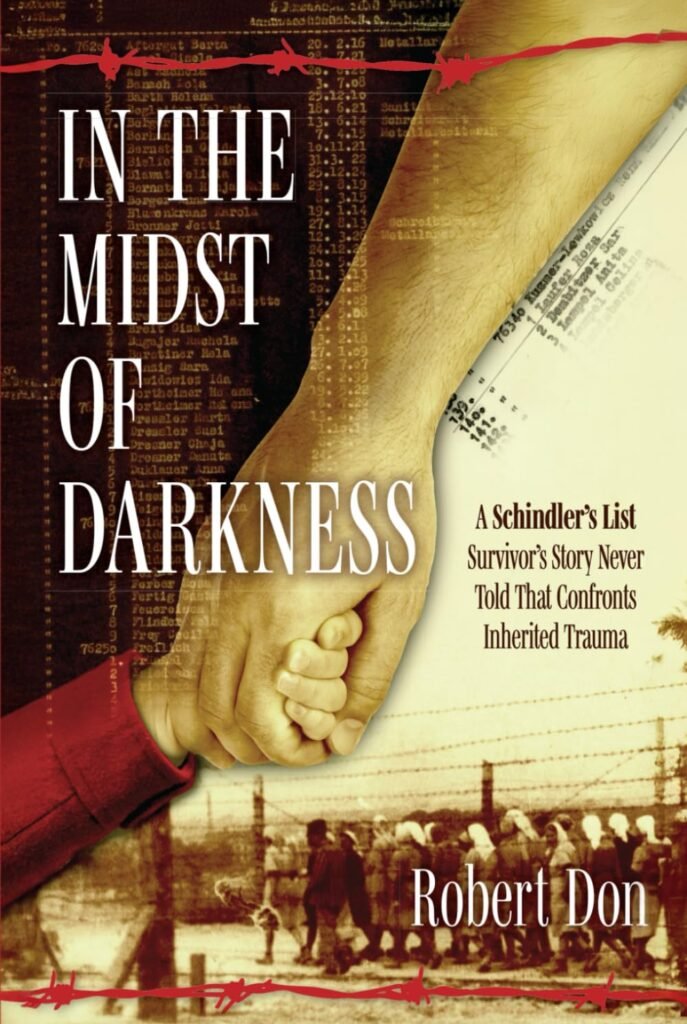
In the Midst of Darkness by Robert Don, a powerful personal account, explores the impact of Holocaust trauma on the second generation. Published in The Times of Israel Blogs, Don’s story reveals the emotional toll of living with a mother whose hatred for all Germans, rooted in her Holocaust experiences, deeply affected him and his brother.
This moving narrative is not just about surviving the Holocaust; it’s about surviving the echoes of its trauma. The story offers insight into how generational trauma shapes lives and how, through awareness and healing, we can start to break free. Get your copy today!