

We inherit family traditions, values, stories, and lessons. But sometimes, we also inherit things that are harder to see: unspoken fears, unresolved grief, and emotional wounds created by experiences we never personally lived through.
The question “What pain are we passing forward?” is not about assigning blame. It is about understanding how the experiences of previous generations can shape the thoughts, behaviors, and relationships of those who come after them.
Pain can travel through families silently. It can influence how people respond to conflict, how they view the world, and how they protect themselves. Recognizing this inherited pain is the first step toward creating a healthier future.
Trauma does not always end when an event is over. For many survivors of war, persecution, violence, or loss, the emotional impact can continue long after the danger has passed.
Survivors may carry memories, fears, and grief that remain deeply connected to their identity. Their children may grow up surrounded by those emotions, even if they never experienced the original hardship themselves.
This is known as intergenerational trauma, the process through which the effects of traumatic experiences can influence future generations.
Children often learn how to understand the world through their parents. They absorb attitudes, fears, and beliefs before they are old enough to question them. In this way, the emotional experiences of one generation can become part of the next generation’s reality.
Remembering painful history is important. Memories preserve truth, honor those who suffered, and ensure that future generations understand what happened.
However, there is a difference between remembering the past and allowing the past to control the present.
Many survivors carry understandable fears after experiencing unimaginable events. Their reactions are often rooted in survival. But when those fears remain unresolved, they may unintentionally influence how their children see themselves, other people, and the world.
The challenge for future generations is learning how to respect the suffering of those who came before them while also creating their own understanding of life.
Children naturally trust the people who raise them. Parents are their first teachers, their first source of security, and their first explanation of the world.
Because of this, children may inherit emotional burdens without realizing it.
They may feel responsible for protecting a parent’s pain. They may adopt fears that were formed before they were born. They may carry family conflicts that they did not create.
Breaking this cycle requires awareness. Families must be willing to ask difficult questions:
Healing does not require forgetting history.
Instead, healing begins when people are willing to understand the full story. Many family histories contain both suffering and resilience, loss and survival, tragedy and moments of courage.
When hidden stories are uncovered, they can change how future generations understand themselves and their families.
Truth can create compassion. Understanding can replace fear. And awareness can help families decide what they want to carry forward, and what they are ready to release.
Every generation has a responsibility to examine what it inherits.
The past shapes us, but it does not have to define us. Families can honor the experiences of previous generations while choosing to pass forward empathy, resilience, and hope instead of unresolved pain.
The question “What pain are we passing forward?” is ultimately a question about responsibility and healing.
By recognizing inherited wounds, having honest conversations, and seeking understanding, each generation has the opportunity to transform suffering into wisdom.
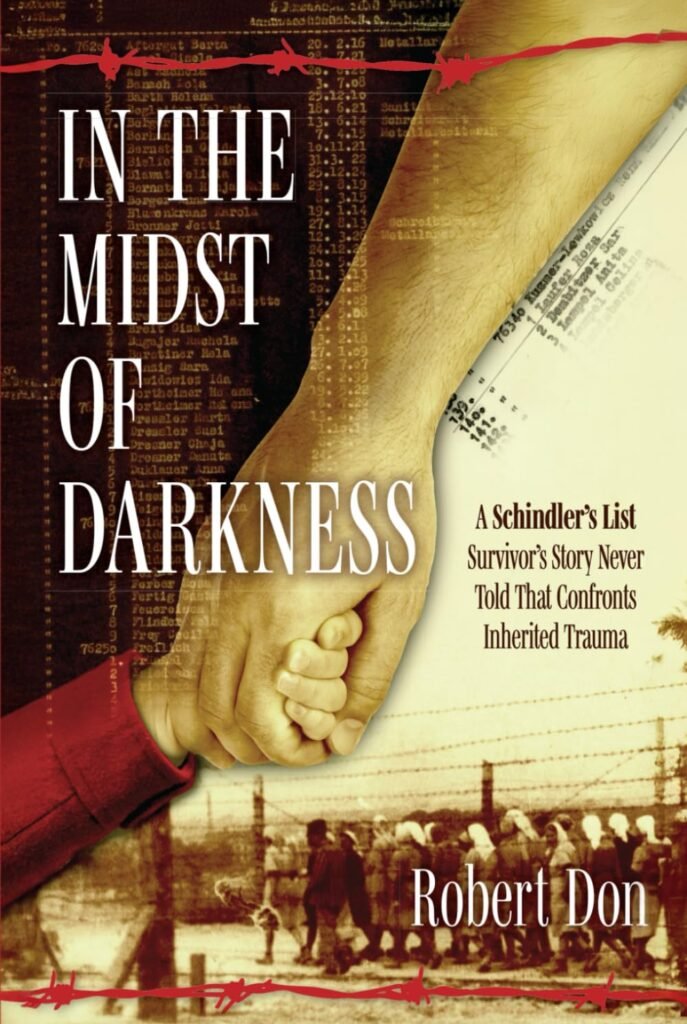
Robert Don’s memoir, In the Midst of Darkness, explores this question through his family’s deeply personal experience. The book examines how the trauma of Holocaust survival affected not only those who endured it but also the children who grew up in its aftermath.
Through Robert Don’s journey, readers discover a powerful story about inherited pain, family relationships, hidden histories, and the search for understanding. His mother’s survival story, including the fact that she was saved through the actions of Oskar Schindler, became a revelation that reshaped his understanding of his family’s past.
In the Midst of Darkness invites readers to reflect on their own family histories and consider an important question:
What pain has been passed down, and what hope can the next generation choose to carry forward?