

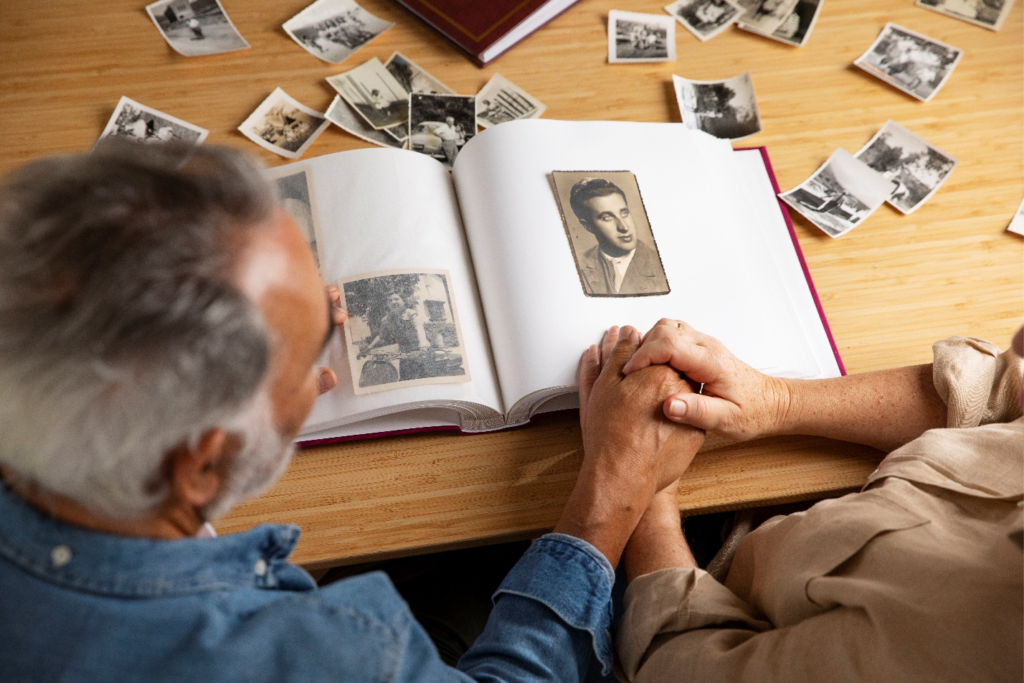
History is meant to teach us. It preserves the experiences of those who came before us, helps us understand human suffering, and reminds us of the choices that shape our world. But for many survivors of unimaginable events, history is not simply something remembered; it is something carried.
The difference between remembering history and living inside it can define generations. Remembering allows us to honor the past while moving forward. Living inside history can mean remaining trapped by the emotions, fears, and wounds that were never healed.
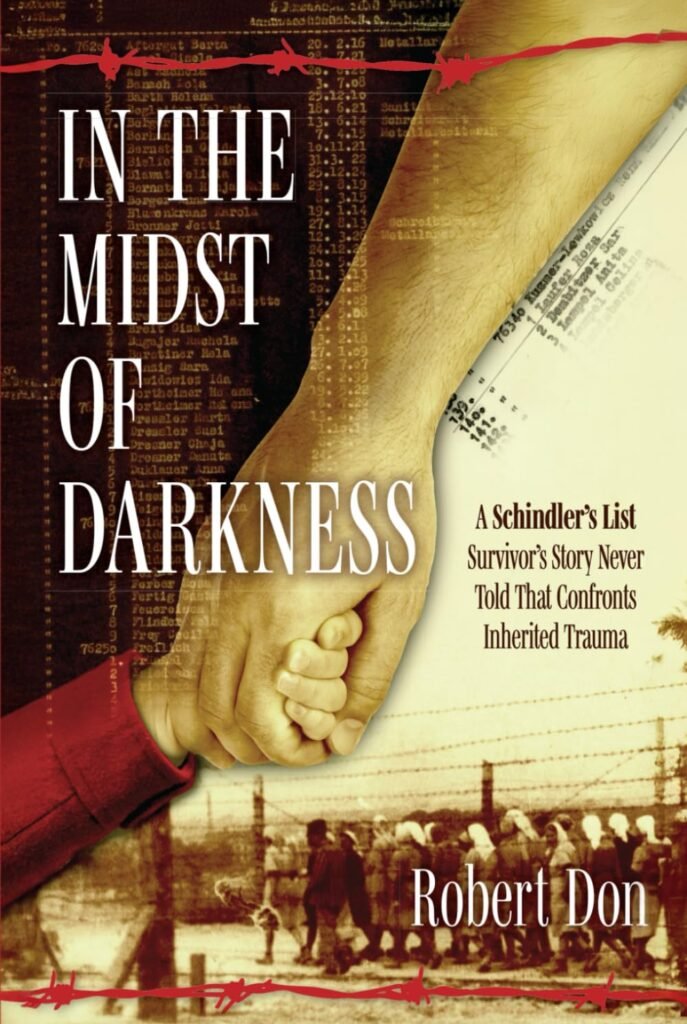
In Robert Don’s memoir, In the Midst of Darkness: A “Schindler’s List” Survivor’s Story Never Told That Confronts Intergenerational Trauma, this struggle becomes deeply personal. The book explores how Holocaust trauma continued beyond the survivor generation and shaped the lives of their children.
Robert Don grew up knowing that his mother, Rosa Laufer Don, had survived the Holocaust. She lost much of her family during the Nazi genocide and carried the emotional weight of those losses throughout her life.
As a child, Robert did not fully understand the depth of his mother’s suffering. Instead, he experienced the consequences of her unresolved trauma. Her memories, fears, and anger shaped how he viewed people and the world around him.
Robert describes how his mother’s trauma became his trauma. As a young child, he accepted her perspective because he had no other way to interpret the past. The beliefs and fears passed down to him became part of his identity before he was old enough to question them.
This is the difference between remembering history and living inside it. Remembering allows us to acknowledge pain. Living inside it can prevent us from seeing anything beyond that pain.
Remembering painful history is important. Memories preserve truth, honor those who suffered, and ensure that future generations understand what happened.
However, there is a difference between remembering the past and allowing the past to control the present.
Many survivors carry understandable fears after experiencing unimaginable events. Their reactions are often rooted in survival. But when those fears remain unresolved, they may unintentionally influence how their children see themselves, other people, and the world.
The challenge for future generations is learning how to respect the suffering of those who came before them while also creating their own understanding of life.
One of the most powerful lessons in In the Midst of Darkness is that remembering suffering does not require continuing the suffering.
Robert’s childhood understanding of history was shaped by his mother’s experiences during the Holocaust. He learned about cruelty, loss, and persecution, but he did not initially know the full complexity of the people connected to that history, including the story of Oskar Schindler, the German businessman whose actions helped save Jewish lives.
Discovering the truth about Schindler challenged Robert’s childhood beliefs. It forced him to recognize that history contains complexity: there were perpetrators, victims, bystanders, and also individuals who chose courage in the face of evil.
Remembering history means confronting the truth. Living inside history means allowing the past to define every person, relationship, and possibility in the present.
The impact of historical trauma does not always appear immediately. Sometimes it emerges through family relationships, fears, expectations, and beliefs passed from one generation to another.
Robert’s memoir explores the experience of being part of the “Second Generation” of Holocaust survivors, the children who inherited the emotional consequences of their parents’ experiences.
For children of survivors, the past can become a constant presence. They may grow up feeling responsible for protecting their parents’ pain, carrying their fears, or defending memories they did not personally experience.
The consequences of living inside history can extend beyond memories and family stories. When children inherit the emotional weight of their parents’ suffering without having the tools to understand or process it, the impact can affect their mental health, relationships, and sense of identity. Some descendants of trauma survivors have struggled with anxiety, depression, guilt, and feelings of responsibility for pain they did not personally experience. In the most severe cases, some have faced overwhelming emotional distress and struggled with thoughts of hopelessness or not being able to bear the weight of inherited suffering.
Inherited trauma can also appear through behaviors and family patterns. Some descendants have confronted difficulties involving food and control, including struggles with restrictive eating or overeating. Others have experienced challenges with emotional regulation, family conflict, or unhealthy patterns of communication that can pass between generations. When unresolved pain remains unspoken, it can influence how future generations understand safety, love, and their own place in the world.
Robert Don’s story reflects this difficult reality. His mother’s Holocaust trauma shaped his childhood experiences, his relationships, and the way he understood the world around him. As he later came to recognize, her suffering was real and unimaginable, but the emotional consequences of that suffering also affected those closest to her.
Healing begins when the next generation can honor what happened while also creating space for their own lives.
Remembering history is essential. Without memory, societies risk repeating the mistakes of the past. But memory should also create understanding, compassion, and awareness.
Robert Don’s journey shows that healing does not come from forgetting history. It comes from understanding it more completely.
By examining his childhood experiences, family relationships, and his mother’s trauma, Robert reveals how inherited pain can shape a person, and how awareness can help break those patterns.
History carries the voices of those who suffered, survived, and fought to be remembered. But the lessons of history are not meant to keep future generations trapped in pain; they are meant to help us understand, grow, and choose a better path forward.
In the Midst of Darkness by Robert Don is more than a Holocaust memoir. It is a deeply emotional exploration of family, memory, identity, and the lifelong effects of survival.
Through Robert Don’s story, readers are invited to consider important questions:
This unforgettable memoir reveals the hidden impact of Holocaust survivor trauma and offers a message of hope: the past can be remembered without controlling the future.
Get your copy today and discover Robert Don’s remarkable journey from inherited pain toward understanding, compassion, and healing.