


Division rarely begins with a single event. It develops when fear, resentment, and stereotypes are repeated until they become accepted as truth. Political rhetoric, selective media, unresolved trauma, and limited contact with people from different backgrounds can deepen suspicion. Instead of seeing individuals, we begin seeing categories.
Once that happens, disagreement can become hostility. People stop listening because they assume they already understand what another race, religion, or culture believes. Rebuilding racial and cultural equality therefore requires more than condemning prejudice. We must recognize how division is created, reinforced, and sometimes passed from one generation to the next.
Equality begins when we examine the beliefs we have inherited. Which opinions come from personal experience, and which were handed to us by relatives, communities, or institutions? Are we judging someone’s conduct, or are we assigning collective blame?
These questions can be uncomfortable, but discomfort is often the beginning of growth. Meaningful dialogue does not demand that people ignore history or agree about everything. It asks them to listen without reducing one another to stereotypes.
Schools, workplaces, religious institutions, and families can support this process by creating opportunities for honest conversation. Learning another person’s story makes prejudice harder to maintain because a human life is always more complicated than a label.
Racial and cultural equality cannot survive as an abstract ideal. It must shape everyday choices. We practice equality when we challenge a prejudiced remark, question an unfair policy, widen access to opportunity, or include someone whose experience differs from our own.
Progress also depends on accountability. Recognizing past injustice is not an accusation against every person living today; it is a commitment to prevent that injustice from continuing. At the same time, healing becomes difficult when historical suffering is used to justify hatred toward an entire modern population.
The goal is neither forgetting nor collective blame. It is learning from history while preserving each person’s right to be judged by individual actions and character.
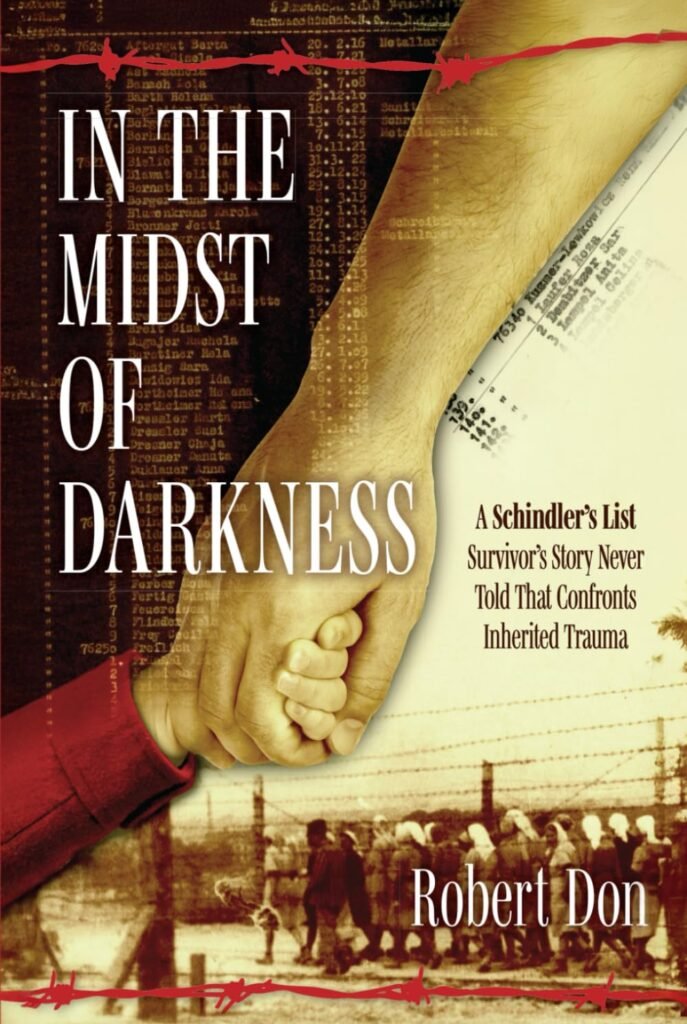
Robert Don’s memoir, In the Midst of Darkness, shows how unresolved Holocaust trauma influenced a family’s relationships across generations. His mother’s suffering shaped the way her sons viewed Germans, especially their German stepmother, Kathy. Yet when illness created a family crisis, Kathy responded to hostility with compassion and helped care for the woman who had regarded her as an enemy.
That choice did not erase history. It created a new possibility within it.
In the Midst of Darkness by Robert Don explores how trauma can transmit fear, how stereotypes damage families, and how unexpected compassion can interrupt inherited hatred.
Choose the paperback, hardcover, or eBook edition for personal reading, then bring the memoir into a book club, classroom, faith community, or family discussion. Invite readers to identify the beliefs each person inherited, consider how those beliefs affected others, and name one action that could replace suspicion with understanding.
The return to equality will not happen through slogans alone. It begins when people confront their assumptions, listen to difficult stories, and choose, as Kathy did, to act with humanity when division offers the easier path.
