


Every family carries a collection of stories. Some are filled with moments of happiness, traditions, and connection, while others are shaped by hardship, loss, and experiences that leave lasting emotional marks. These stories become part of our identity and influence the way we understand ourselves and the world around us.
Family memories are more than simple recollections of the past. They carry emotions, beliefs, and lessons that can shape how future generations view relationships, challenges, and personal experiences. Even events we did not personally experience can influence our thoughts and behaviors through the stories, reactions, and values passed down within our families.
Understanding the impact of family history allows us to recognize how the past continues to influence the present.
From childhood, family members are often our first teachers. They introduce us to ideas about trust, love, responsibility, and belonging. The stories they share help us understand where we come from and how we fit into the world.
Positive family memories can provide strength and connection. They remind us of resilience, achievements, and shared experiences that bring people together. However, memories connected to pain or difficult experiences can also influence how we see certain situations and relationships.
Children often absorb the emotions behind family stories, not just the facts. A parent’s fears, struggles, or unresolved feelings can become part of the environment a child grows up in. Over time, these emotional influences may shape how that child responds to the world.
Loss is one of the most powerful experiences a family can face. The loss of loved ones, homes, security, or a sense of belonging can create emotional challenges that continue long after the original event has ended.
Many people who experience significant loss develop ways of coping that help them survive difficult circumstances. These responses may include becoming protective, cautious, or deeply connected to certain memories. While these reactions may come from a place of love and survival, they can also influence future generations.
Children may grow up sensing emotions connected to events they never experienced themselves. They may inherit family fears, expectations, or beliefs without fully understanding where they originated.
By exploring these connections, families can better understand how past experiences continue to affect present relationships.
Trauma can change how people interpret the world. Difficult experiences may influence how individuals view safety, trust, conflict, and relationships. These perspectives can affect not only the person who experienced trauma but also those closest to them.
When painful experiences remain unresolved, they may influence family communication and emotional patterns. Future generations may carry parts of these experiences through learned behaviors, family narratives, and emotional responses.
However, understanding these patterns creates an opportunity for awareness and change. Recognizing the connection between past trauma and present behavior can help individuals approach family histories with greater compassion.
Many families have stories that remain untold. Sometimes painful memories are hidden because discussing them feels too difficult. However, silence can leave future generations with unanswered questions about their family history.
Sharing stories allows families to preserve important memories while creating opportunities for understanding. Open conversations can help people recognize the struggles of previous generations and appreciate the strength it took to overcome them.
Remembering difficult experiences does not mean remaining trapped in the past. Instead, it allows families to acknowledge what happened while creating healthier perspectives for the future.
Family history can influence who we become, but it does not have to define our future. By understanding inherited emotions and experiences, people can make more conscious choices about the values and beliefs they carry forward.
Learning about family memories can help individuals:
The past provides important lessons, but each generation has the ability to create new meaning from those experiences.
The memories, losses, and challenges experienced by previous generations can have a powerful influence on how we see ourselves and the world. Family memories connect us to our history, but they can also carry emotions that continue across time.
By exploring our family stories with honesty and compassion, we can better understand the experiences that shaped us. Recognizing the impact of loss and trauma helps us appreciate the strength of those who came before us while creating a more aware and understanding future.
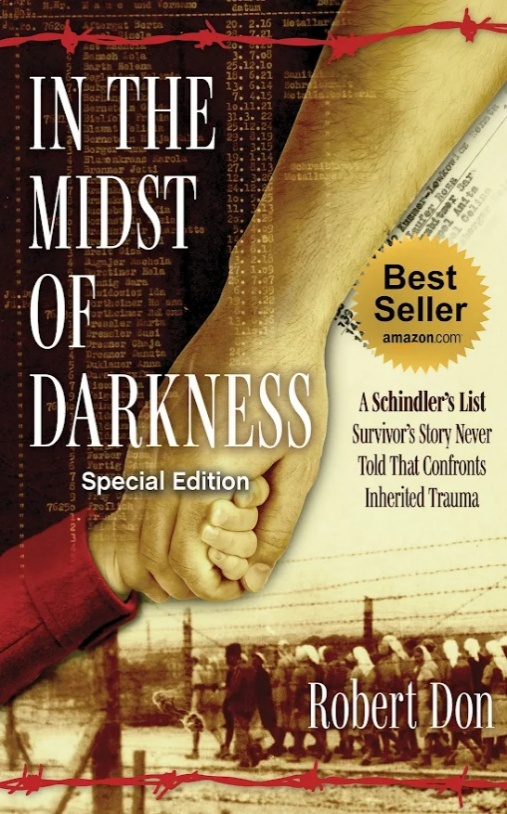
In the Midst of Darkness by Robert Don talks about the lasting impact of family history, survival, and inherited trauma.
He describes how the pain and anger connected to his mother’s losses became part of his own childhood, shaping the way he viewed his family and the world around him. The memoir also reveals how learning more about his family’s history later in life changed his perspective, including discovering that his mother had survived through Oskar Schindler’s actions, something he did not know until years after her passing. By sharing his journey of understanding, Don highlights how uncovering hidden family stories can help individuals process inherited emotions, gain a deeper understanding of the past, and find a path toward healing.
Explore In The Midst of Darkness to discover a moving story about survival, family memories, and the powerful ways the past can influence future generations.