

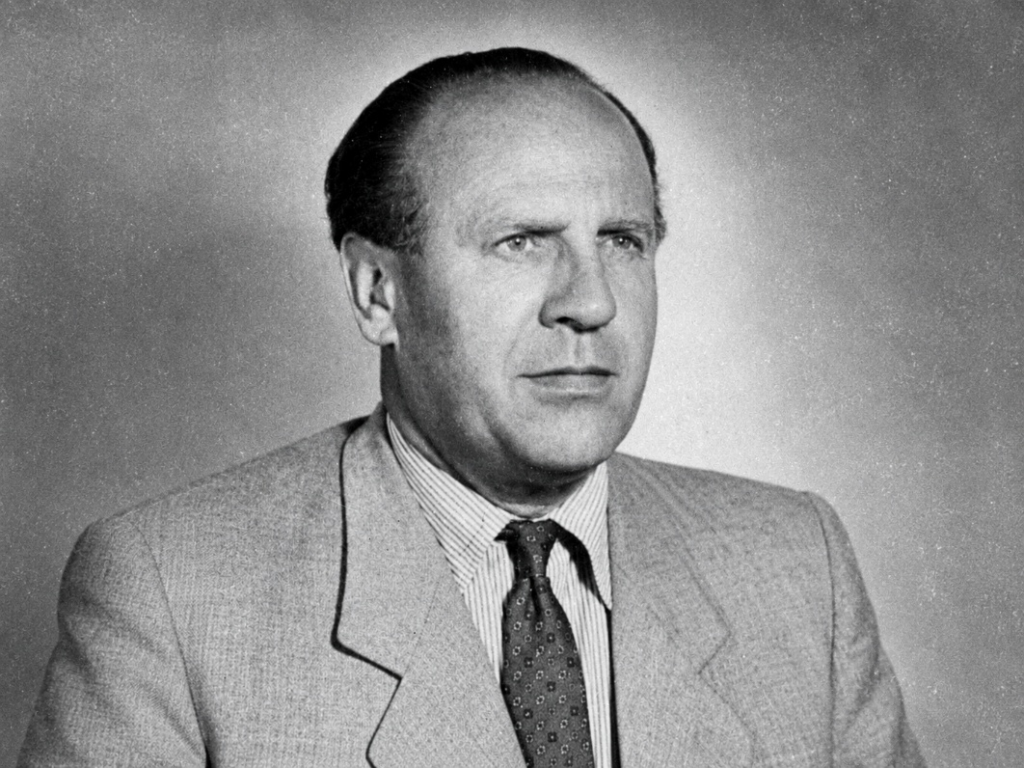
History often places people into simple categories: heroes or villains, victims or perpetrators, good or evil. But some lives cannot be understood through simple labels. Oskar Schindler’s legacy remains one of the most complicated stories of the Holocaust because he was a member of the Nazi Party who used his position, influence, and resources to save the lives of Jewish people facing persecution and extermination.
For many, Schindler is remembered as the man portrayed in Schindler’s List, a German businessman who protected Jewish workers from Nazi brutality. But for Robert Don, author of In the Midst of Darkness: A “Schindler’s List” Survivor’s Story Never Told That Confronts Intergenerational Trauma, Schindler’s story represents something even deeper: the challenge of understanding humanity after unimaginable suffering.
Robert Don’s memoir reveals a personal connection to Schindler’s actions. His mother, Rosa Laufer Don, survived the Holocaust because she was among those saved through Schindler’s efforts. Yet Robert did not learn this important part of his family history until years after his mother’s death.
Growing up, Robert and his brother Harry knew his mother primarily through the lens of her suffering. She carried the memories of losing family members, her experiences in Nazi concentration camps, and the devastating impact of survival. Her trauma shaped how she viewed the world and influenced how Robert and his brother understood Germans as children.
The painful irony was that they were taught to see Germans only as enemies, while the truth of their own mother’s survival involved a German man who chose to protect Jewish lives.
Oskar Schindler’s story challenges the idea that people can always be divided neatly into categories. Schindler was a German businessman and Nazi Party member, yet he rejected Nazi ideology that Jews be exterminated and acted to save over 1200 of his Jewish workers, including Robert and Harry’s mother.
The story reflects on this contradiction in Robert Don’s memoir: the same historical identity that represented terror and destruction for many Jewish survivors could also include individuals who chose courage and compassion. He writes about how learning Schindler’s role changed his understanding of history and forced him to confront the hatred he inherited as a child.
This does not erase the crimes of Nazi Germany. Instead, it highlights an important lesson: individuals must be judged by their choices and actions, not only by the groups or identities they are associated with.
One of the most powerful themes in In the Midst of Darkness is that the Holocaust’s effects did not end when survivors were liberated. The trauma continued within families, influencing children and future generations.
Robert describes how his mother’s pain became what he and his brother had to bear. As a child, he absorbed her fears and anger because he had no other perspective through which to understand the world. While his brother’s suffering was immeasurable, he suffered a nervous breakdown when he was 23, and Robert was 13. He never recovered from what happened to him and throughout his adult life he was deeply impacted by mental illness, a fate that Robert often felt could have been his own.
Discovering the truth about Schindler became part of Robert’s journey toward understanding that history contains complexity. It helped him recognize that hatred passed from one generation to another can create new suffering, even when it begins with understandable pain.
Oskar Schindler’s legacy is not only about the lives he saved during one of history’s darkest periods. It is also about the choices individuals make when surrounded by injustice.
His story reminds us that courage can exist in unexpected places. It also reminds us that healing requires looking honestly at the past, both the suffering endured and the assumptions inherited afterward.
Robert Don’s memoir brings a unique perspective to this conversation. It is not simply a Holocaust survival story; it is the story of what happens after survival, when children inherit memories, fears, and unresolved questions from their parents.
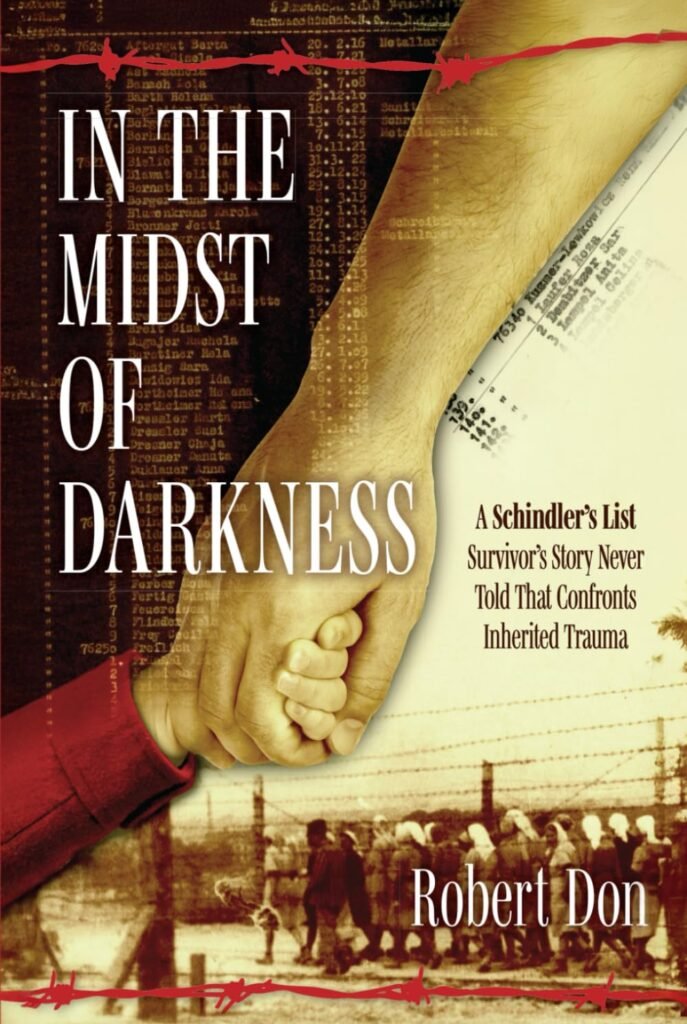
In the Midst of Darkness by Robert Don is a deeply personal memoir about survival, family, inherited trauma, and the search for understanding.
Through Robert Don’s journey, readers discover the hidden consequences of Holocaust trauma on the next generation and the powerful lessons that emerge when painful family histories are finally uncovered.
If you are interested in Holocaust memoirs, survivor stories, family healing, and the lasting impact of history, read Robert Don’s powerful account in In the Midst of Darkness and discover the survivor story behind one of history’s most recognized names.
Explore In the Midst of Darkness today and learn how one survivor’s hidden story reveals the lasting power of memory, truth, and hope.