


Trauma does not always end with the person who experienced it. Survivors of war, genocide, persecution, displacement, or family violence may carry fear and anger long after the immediate danger has passed. Their children can then grow up surrounded by emotional responses to events they never witnessed.
This transmission is known as generational or intergenerational trauma. It may appear through family stories, silence, overprotectiveness, distrust, emotional instability, or warnings about particular groups. A parent may believe these lessons will keep a child safe. Instead, they can teach the child to perceive danger where none exists.
Children depend on adults to explain the world. When a trusted parent repeatedly identifies a race, nationality, religion, or culture as threatening, a child may accept that judgment without question. The parent’s memories become the child’s assumptions.
Those assumptions can eventually influence friendships, relationships, and everyday decisions. The child may avoid people from the targeted group, interpret neutral behavior as hostile, or repeat prejudiced ideas without understanding their origin. Trauma has then moved beyond memory and begun shaping conduct.
This does not mean survivors are responsible for the violence committed against them. Nor does it suggest that their pain should be forgotten. It means untreated suffering can have consequences that extend far beyond the original injustice.
Inherited prejudice often strengthens itself. People tend to notice experiences that confirm what they already believe while dismissing evidence that challenges them. If one negative encounter occurs, it may be treated as proof that the stereotype was correct. Positive encounters are described as exceptions.
Families and communities can reinforce this pattern by repeating the same stories without examining their broader meaning. Eventually, hatred may be presented as loyalty: rejecting the perceived enemy becomes a way of honoring those who suffered.
But remembrance and prejudice are not the same. We can recognize historical injustice, preserve survivors’ testimony, and demand accountability without assigning guilt to every person who shares an offender’s background.
Breaking the cycle begins with awareness. People must identify which fears come from their own experiences and which were inherited from someone else. Therapy, education, and respectful contact with different communities can help separate legitimate caution from generalized hostility.
Healing also requires compassion for both generations. Parents may have transmitted fear because they lacked the support or language needed to process what happened. Their children can acknowledge that suffering without allowing it to determine whom they hate.
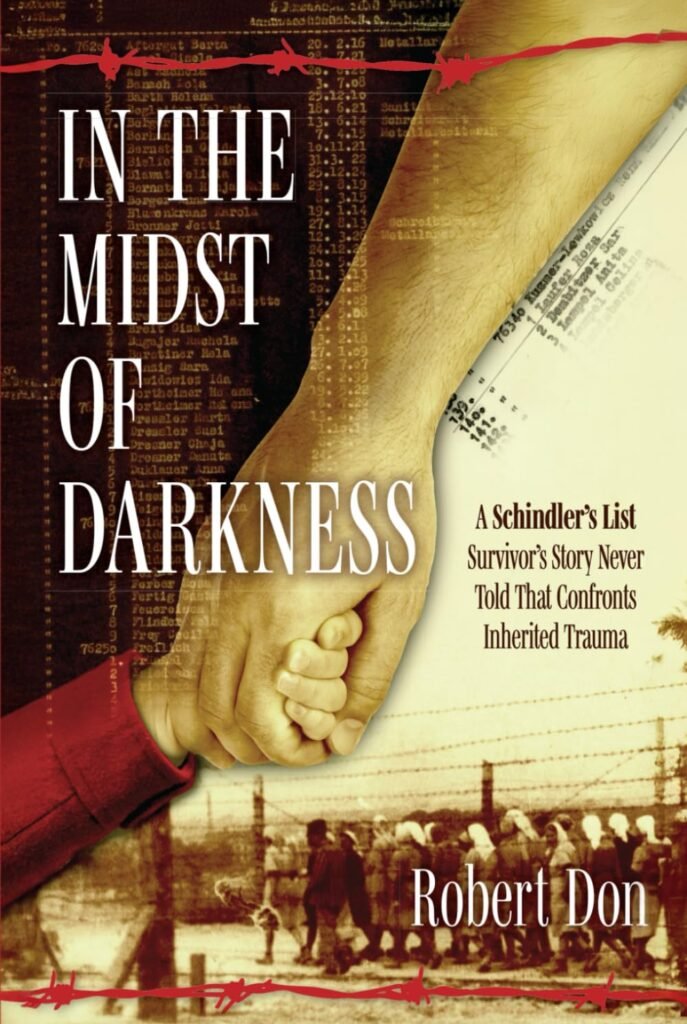
Read In the Midst of Darkness by Robert Don to discover how Holocaust trauma shaped one family’s fears, prejudices, and relationships, and how an unexpected act of compassion challenged a lifetime of inherited hatred. Available in paperback, hardcover, and eBook formats, this powerful memoir is an ideal choice for personal reflection, book clubs, classrooms, counseling groups, and community discussions about generational trauma.
Order your copy today, share the story with someone whose perspective it could deepen, and begin an honest conversation about the beliefs we inherit, the people those beliefs affect, and the courage required to break the cycle of hate.
