


Have you ever wondered why certain patterns seem to repeat in your family, no matter how hard you try to break free? From anxiety to unhealthy relationships, many of us unknowingly inherit emotional scars from previous generations. This is called generational trauma, a cycle of pain passed down from one generation to the next, often without us even realizing it. But here’s the good news: while generational trauma can deeply affect our lives, breaking the cycle is possible. It takes understanding, courage, and healing to stop the patterns of pain and start living more fulfilled, healthier lives.
Generational trauma is the emotional and psychological pain that gets handed down from one generation to another, often as a result of major traumatic events like war, abuse, or deep personal loss. For the children of Holocaust survivors, for example, this trauma may manifest as fear, distrust, or irrational hatred, feelings inherited from parents who never had the chance to fully process or heal from their own pain.
What makes generational trauma so complex is that it’s not always acknowledged or understood by those who carry it. Children may grow up in environments filled with unspoken pain, emotional volatility, and unprocessed grief. These experiences shape their behaviors and perceptions of the world, often without them knowing why they feel the way they do. Understanding that this trauma isn’t inherently their fault is a crucial first step in breaking the cycle.
The journey to healing begins with acknowledging the trauma. It can be incredibly difficult to confront painful aspects of your past, especially when these memories have been buried or ignored for years. But healing can never begin in silence. By acknowledging the trauma, you’re giving yourself permission to break free from its grip.
In many families, the trauma is never openly discussed. It might be too painful for parents to share, or it may be an unspoken rule that certain things are just not talked about. Children grow up absorbing the emotions that surround them, but may never understand the root cause of their distress. Confronting this silence, whether through therapy, family conversations, or personal reflection, is vital for healing.
Healing generational trauma often requires external help. Professional therapy can provide the tools and guidance necessary to unpack deep-seated emotions and patterns. Therapists specializing in trauma can help individuals and families understand how past experiences have shaped their present behavior and relationships. Through therapy, you can learn to confront your emotions in a safe, constructive way.
Family therapy can also be incredibly powerful. When multiple generations are involved, understanding each other’s pain and perspectives is essential. Family therapy creates a space where difficult conversations can occur, breaking the silence that often surrounds trauma. It allows for shared healing and fosters empathy, helping family members reconnect with each other in meaningful ways.
Once trauma is acknowledged and addressed, it’s time to rebuild. Breaking the cycle of generational trauma involves creating new patterns of behavior that foster healthier relationships, self-worth, and emotional resilience. This might involve learning to set boundaries, practicing healthy communication, and shifting negative thought patterns that have been inherited over time.
Building new, positive relationships starts with seeing yourself as capable of breaking free from the past. By recognizing that you are not bound by the pain of your ancestors, you begin to take ownership of your emotional well-being and create space for growth. As you heal, you’re able to approach relationships in a healthier, more balanced way, giving yourself the chance to live the life you truly deserve.
An important part of healing generational trauma is forgiveness, not just of others, but of yourself. Holding onto resentment or anger only keeps the trauma alive. Forgiveness doesn’t mean condoning past behavior; it means freeing yourself from the emotional burden that keeps you trapped in the cycle. Letting go of pain allows you to move forward and break the cycle for future generations.
Forgiving yourself is just as important. It’s easy to fall into the trap of guilt or self-blame, especially when trying to change long-standing family patterns. But healing requires compassion not only for others but for yourself. Recognize that you are doing the best you can with what you have, and give yourself the grace to heal.
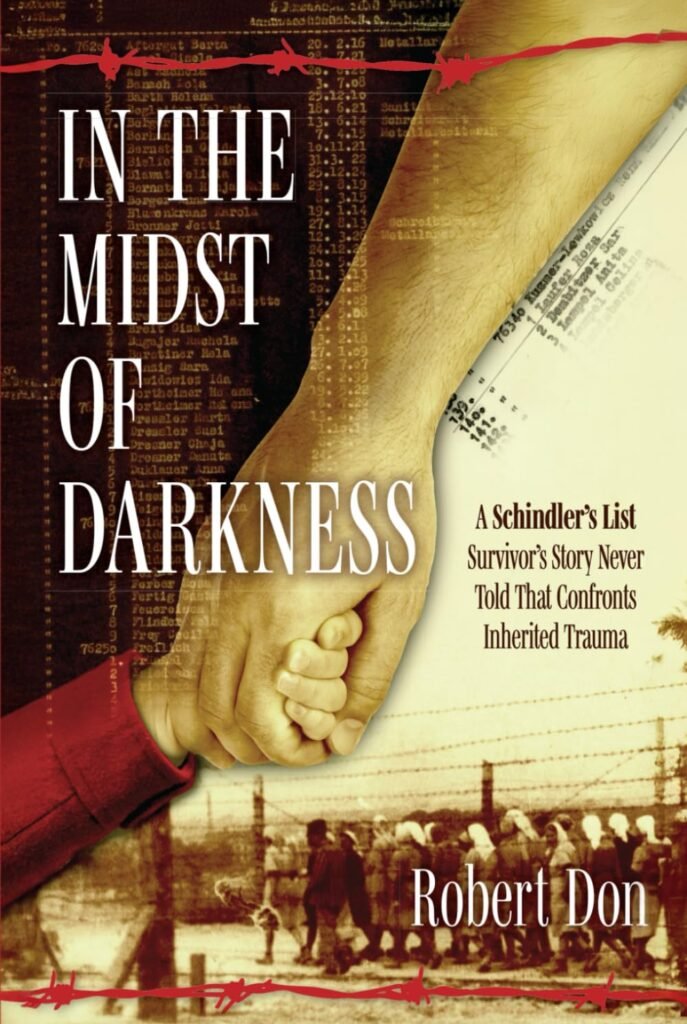
Healing generational trauma isn’t easy, but it is possible. With awareness, professional support, and a commitment to changing old patterns, you can break the cycle of pain and create a future where you and future generations are free from the grip of inherited trauma.
For a powerful look at how generational trauma shapes lives and how healing can begin, read In the Midst of Darkness by Robert Don. This deeply personal story, published in The Times of Israel Blogs, portrays the cycle of pain that Robert inherited from his mother; her unresolved trauma from the Holocaust deeply shaped his childhood and his relationship with her. Through his story, Don demonstrates the difficulty of confronting inherited pain, but also the profound healing that can occur when one recognizes and addresses the emotional weight of the past. The book is not just a reflection on trauma but a testament to the possibility of healing.
Get your copy and begin your own healing journey today. You don’t have to carry the weight of the past forever.