


Have you ever felt like there’s something deeper in your family’s history that you’re just not being told? Family secrets can linger for generations, often hiding painful truths that, when left unaddressed, shape our identities and behaviors in ways we don’t fully understand. These hidden traumas can affect the way we see ourselves, our relationships, and our future. But uncovering and addressing these buried stories is the first step in healing and reclaiming our true selves.
Family secrets often carry the weight of unspoken pain, trauma, and shame. These hidden truths are typically passed down without being discussed openly, either because they are too painful to confront or because family members fear the consequences of revealing them. From betrayal and abuse to loss and survival, these secrets shape our family dynamics, creating a web of silence that can keep emotional wounds festering for years.
The trauma associated with family secrets doesn’t just affect the individuals who lived through it; it can have a ripple effect across generations. Children often absorb the emotional fallout without fully understanding where it comes from, and as they grow older, they may start to feel the weight of something that isn’t quite right but can’t put their finger on.
One of the most insidious effects of family secrets is the way silence shapes our beliefs. When important aspects of a family’s history are kept hidden, it sends a message that certain things are too painful to discuss or too shameful to acknowledge. This silence can lead to the internalization of unhealthy beliefs, such as the idea that emotions should be suppressed, that vulnerability is a weakness, or that some experiences are not worth speaking about.
This silence doesn’t just affect our current relationships; it becomes a lens through which we view the world. We may find ourselves avoiding difficult emotions, pushing others away to protect ourselves, or feeling a sense of disconnection from those around us. The secrets we inherit don’t just stay within the confines of our families; they shape how we engage with society at large.
The first step in healing from hidden trauma is uncovering and confronting the secrets that have shaped our lives. This can be an incredibly challenging process, as it often requires digging into painful memories and confronting uncomfortable truths. But acknowledging the trauma is essential for breaking the cycle of pain.
Family therapy, individual counseling, and even conversations with family members can help unravel the truth behind the secrets. By asking questions, sharing feelings, and opening up about the past, individuals can begin to piece together the fragmented history that has shaped their identity. While this process may bring up difficult emotions, it also provides the opportunity for healing, understanding, and growth.
Once the secrets have been uncovered, the next step is to reclaim your identity. This means accepting that the trauma of the past does not define you, and that you have the power to rewrite your story. You can break free from the negative patterns that have been passed down and create healthier ways of thinking, feeling, and interacting with others.
Reclaiming your identity involves embracing your true self, free from the weight of hidden trauma and shame. It’s about acknowledging your past, but not letting it dictate your future. By processing the pain and letting go of the emotional baggage, you can create a new sense of self, one that is authentic, empowered, and resilient.
Unraveling family secrets is not easy, but it is a crucial step in healing from hidden trauma. By confronting the pain and understanding how it has shaped our identity, we can begin to break free from the cycles of fear and silence. Healing is a journey, but it’s a journey worth taking.
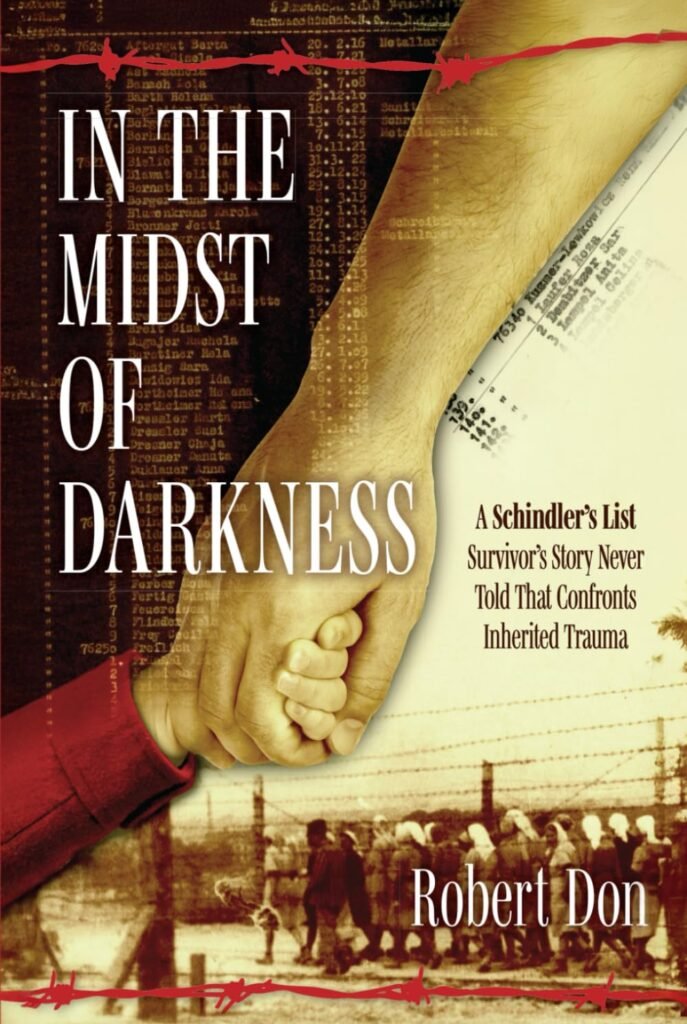
For a deeper exploration of how hidden trauma shapes our lives, check out In the Midst of Darkness by Robert Don. Throughout the book, Don explores how the unspoken pain of his mother’s past, including her deep-seated hatred toward Germans and unresolved grief, profoundly shaped his own sense of self. Her trauma was never fully discussed or acknowledged, leaving Robert to grow up with a skewed understanding of his identity and a complicated relationship with his family.
The book reveals how hidden family secrets, like his mother’s silence about her Holocaust experiences, can create emotional barriers, leading to confusion, resentment, and inherited patterns of suffering. As Don uncovers these hidden truths, he begins the difficult journey of understanding how these secrets shaped his life and struggles. His story underscores the