

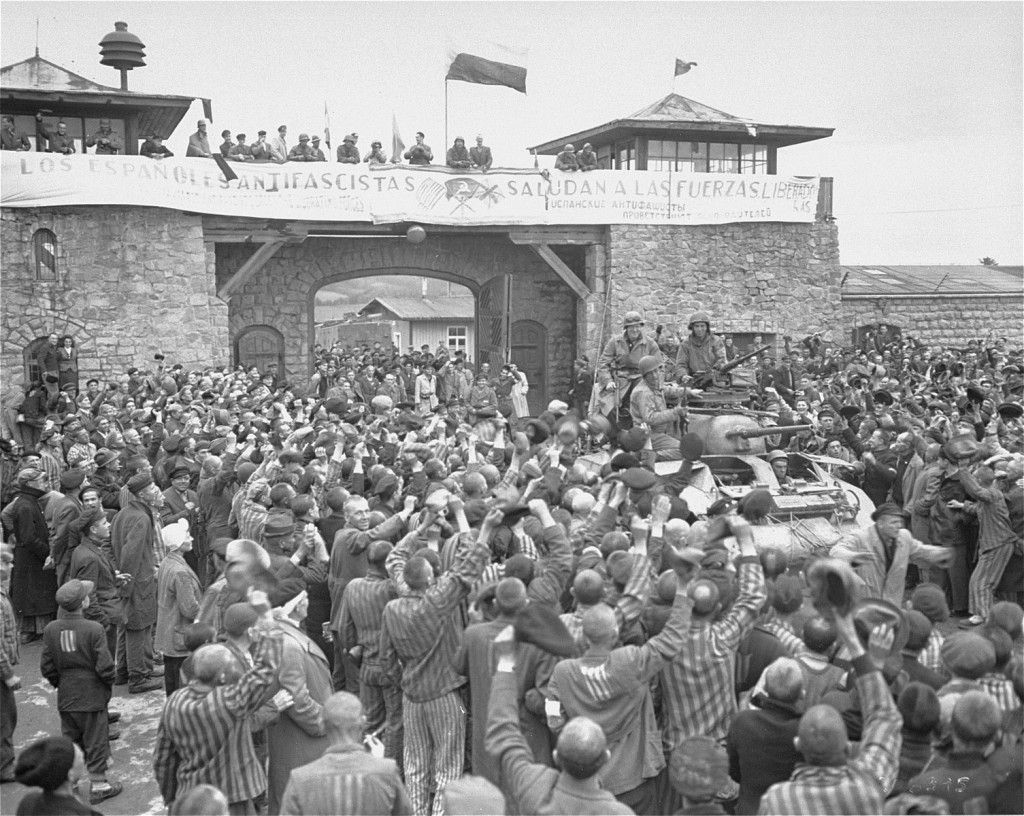
The psychological suffering endured by Holocaust survivors cannot be understood through the ordinary experiences of loss, fear, or emotional hardship. Millions of Jewish people faced systematic persecution, starvation, forced labor, humiliation, and the constant threat of death, while survivors witnessed the destruction of their families, communities, and everything they once considered familiar. Although liberation ended their physical imprisonment, it did not necessarily free them from the memories of what they had endured. For many survivors, the Holocaust remained an overwhelming presence throughout their lives, influencing how they understood the world, raised their children, and responded to relationships long after the war had ended.
Surviving the Holocaust meant carrying memories that could remain deeply painful for decades. Many survivors lost parents, siblings, spouses, and children, leaving them to rebuild their lives without the emotional foundations they once depended upon. Some found it difficult to speak about their experiences, while others feared that those who had not lived through the atrocities could never truly understand their suffering. Silence sometimes became a way of coping, but avoiding painful memories did not necessarily eliminate their psychological consequences.
For survivors who received little or no psychological treatment, unresolved trauma could continue influencing their emotional responses, relationships, and perceptions of safety. While not every survivor experienced these difficulties in the same way, the absence of opportunities to confront and process traumatic memories could leave some families struggling with consequences they did not fully understand.
Children of Holocaust survivors often grew up in households shaped by experiences that occurred before they were born. Even when parents rarely discussed the Holocaust, their fears, emotional reactions, and attitudes could influence how their children understood themselves and others. In some families, silence created unanswered questions, while in others, repeated accounts of persecution exposed children to emotional burdens they were too young to comprehend.
This phenomenon, commonly described as intergenerational trauma, helps explain how the psychological consequences of historical persecution can affect descendants who never experienced the original events. When these inherited emotional patterns remain unrecognized, they may also influence subsequent generations, although such transmission is not inevitable
In my memoir, In the Midst of Darkness, I describe how my mother, Rosa, survived Nazi concentration camps but remained deeply affected by the loss of nearly her entire family. Unlike survivors who remained largely silent, my mother frequently shared the horrors she had experienced, yet she never revealed that Oskar Schindler had helped save her life and over 1200 other Jewish lives. Her unresolved suffering shaped her hatred toward Germans, particularly my German stepmother, Kathy, after my father left her being pregnant with me.
My brother Harry and I inherited those perceptions during childhood, without the emotional maturity or independent knowledge necessary to question them. The hatred my mother carried became part of our lives, profoundly affecting our relationships and our ability to understand people beyond the painful history she associated with them. Harry was particularly affected, suffering a nervous breakdown that he never recovered from when he was 23, and I was only 13. It demonstrated how the trauma of one generation can have different and deeply damaging consequences for the next.
Holocaust survivors deserve extraordinary compassion for the suffering they endured, but understanding their trauma also requires recognizing its potential effects on their families. My mother’s experiences explain much of her emotional pain, yet they did not justify teaching her children to hate more than the guilty from the Holocaust, being innocent people. Her inability to separate past persecution from present relationships prevented us from developing our own understanding of the world.
The lesson is that remembering history and confronting trauma are not opposing responsibilities. Survivors and their descendants deserve opportunities to acknowledge painful memories, seek psychological support when needed, and develop lives that are not entirely defined by past suffering. Recognizing these needs can help families interrupt destructive emotional patterns rather than unknowingly passing them forward.
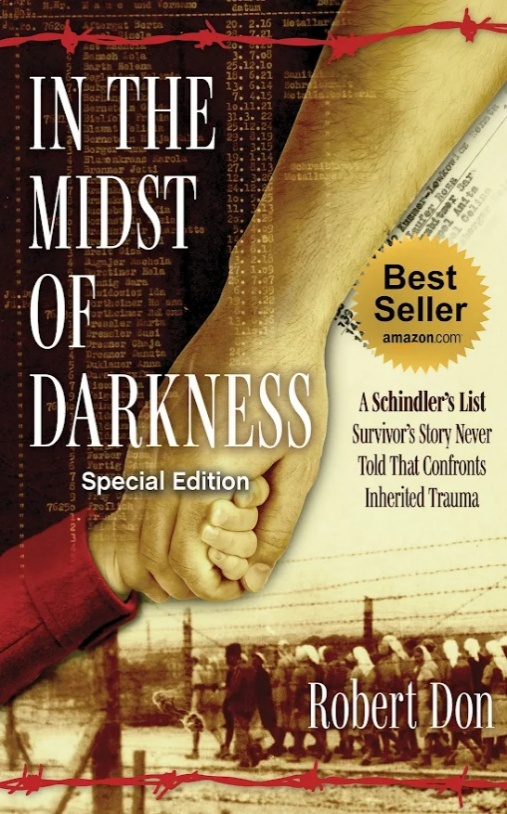
In In the Midst of Darkness: A “Schindler’s List” Survivor’s Story Never Told That Confronts Intergenerational Trauma, I share the deeply personal story of growing up with a Holocaust survivor mother whose unresolved suffering shaped my brother’s and my childhood. Through memories of family conflict, inherited hatred, and emotional struggles, the memoir examines how surviving unimaginable persecution does not necessarily mean escaping its psychological consequences.
The book also reveals my discovery in 1993, five years after my mother’s death, that she and a countless number of other Jewish lives had survived the Holocaust through the actions of Oskar Schindler, who was a member of the Nazi Party. This previously unknown truth finally reconciled the beliefs that I had inherited and compelled me to reconsider the relationship between historical suffering, prejudice, and personal responsibility.
Read Robert Don’s memoir, In the Midst of Darkness, to understand how the Holocaust’s psychological legacy extended beyond its survivors and into the lives of their children. Available in paperback, hardcover, and eBook editions, this memoir invites readers to explore the importance of confronting inherited trauma, questioning deeply rooted beliefs, and preventing the suffering of one generation from becoming the emotional burden of the next.