
The Emotional Journey of Letting Go: Why Release is the First Step to Freedom

The Emotional Journey of Letting Go: Why Release is the First Step to Freedom

Letting go is often one of the hardest emotional journeys we can embark on. Whether it’s releasing the grip of past hurts, unhealed wounds, or long-held regrets, the act of letting go can feel overwhelming. Yet, it is also the first and most essential step toward finding freedom and inner peace. Holding on to negative emotions, old memories, or toxic situations may seem like a way to protect ourselves, but in reality, it only holds us back. By choosing to release what no longer serves us, we make room for healing, growth, and transformation.

The Struggle of Holding On

It’s natural to want to hold on to things that have impacted us, especially when those things bring us intense emotions. Whether it’s the lingering pain of a lost relationship or the weight of past trauma, holding on can feel like a way of keeping those experiences alive. However, what we don’t often realize is that holding on can keep us trapped in the past.

When we refuse to release our emotional baggage, we allow it to define us. This is especially true when it comes to resentment, guilt, or regret. These emotions can fester and shape our identities, making it harder for us to fully embrace the present moment and create the future we deserve. Letting go is not about forgetting what happened or pretending it didn’t matter; it’s about freeing yourself from the emotional weight that continues to hold you back.

The Power of Release: Why Letting Go is Essential

Letting go is a powerful tool for emotional freedom. Release is the act of allowing yourself to feel and process the emotions tied to an event or person, without letting those emotions control you. It’s about acknowledging the past, but choosing not to be defined by it. Release opens up the space for new opportunities, personal growth, and healthier relationships.

When we hold on to negative emotions, we trap ourselves in a cycle of suffering. Releasing these emotions allows us to break free from the grip of the past and create the emotional space needed for healing. It’s a step toward reclaiming our inner peace and taking control of our future.

Letting Go and Emotional Healing

The emotional journey of letting go is often painful, but it is an essential part of the healing process. When we decide to release something or someone, it can stir up feelings of grief, sadness, and even anger. These emotions are normal and part of the healing process.

Healing through release involves acknowledging the pain, feeling it fully, and then choosing to let it go. This doesn’t mean that you’ll forget the experience or the lesson it taught you, but you’ll stop allowing it to control your emotions and decisions. Emotional healing requires vulnerability and courage, but the reward is a renewed sense of freedom.

Why Letting Go Is the First Step to Freedom

Letting go is the foundation of personal freedom. It’s the first step in creating the life you desire because it frees you from the emotional shackles of the past. When we release what no longer serves us, whether it’s a toxic relationship, an old grievance, or outdated beliefs about ourselves, we make room for new, positive experiences.

Freedom comes when we stop holding on to what’s familiar, even if it’s painful, and step into the unknown with faith and hope. Letting go is not about surrendering to a helpless situation; it’s about choosing to trust that releasing what’s no longer working for us will bring better things into our lives.

Moving Forward: Embracing a New Beginning

Once you make the decision to let go, the next step is embracing what lies ahead. Releasing old emotions or situations clears the path for new beginnings. This process is not instantaneous, but with patience and self-compassion, you can start to feel the weight lift off your shoulders.

Start by giving yourself permission to release what no longer serves you. Surround yourself with people who support your journey of growth, and take time to nurture your emotional well-being. Practice mindfulness, self-love, and forgiveness, both for others and for yourself. The more you embrace the process of letting go, the more you’ll begin to feel the freedom that comes with it.
Conclusion: The Freedom of Letting Go

The emotional journey of letting go is difficult, but it is ultimately the path to true freedom. Release is the first step toward healing, personal growth, and living a life that is no longer dictated by the past. By letting go of what no longer serves you, you make room for new experiences, healthier relationships, and a more fulfilling future.

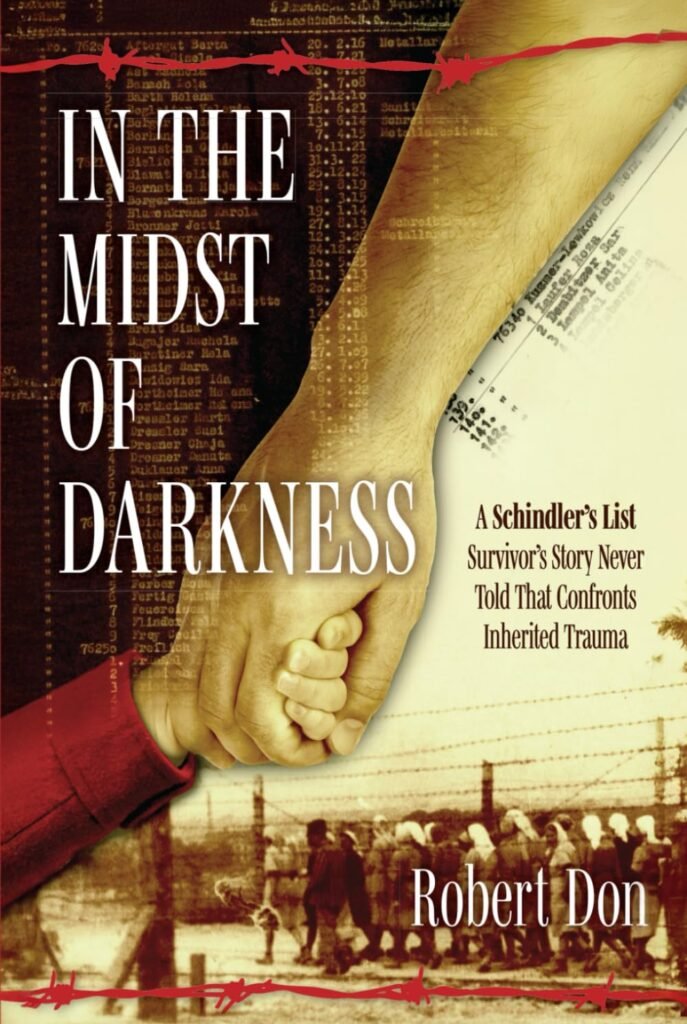
If you’re interested in exploring a powerful journey of emotional release and healing, check out In the Midst of Darkness by Robert Don. This deeply personal memoir, published in The Times of Israel Blogs, tells the story of how the author faced his own emotional struggles and the weight of inherited trauma. Don’s story of overcoming the past to find freedom and peace is a testament to the transformative power of letting go.

Get your copy and start your own journey today, release the emotional baggage, and embrace the freedom waiting for you on the other side.


Unraveling Family Secrets: How Hidden Trauma Shapes Our Identity

Unraveling Family Secrets: How Hidden Trauma Shapes Our Identity

Have you ever felt like there’s something deeper in your family’s history that you’re just not being told? Family secrets can linger for generations, often hiding painful truths that, when left unaddressed, shape our identities and behaviors in ways we don’t fully understand. These hidden traumas can affect the way we see ourselves, our relationships, and our future. But uncovering and addressing these buried stories is the first step in healing and reclaiming our true selves.

The Power of Family Secrets

Family secrets often carry the weight of unspoken pain, trauma, and shame. These hidden truths are typically passed down without being discussed openly, either because they are too painful to confront or because family members fear the consequences of revealing them. From betrayal and abuse to loss and survival, these secrets shape our family dynamics, creating a web of silence that can keep emotional wounds festering for years.

The trauma associated with family secrets doesn’t just affect the individuals who lived through it; it can have a ripple effect across generations. Children often absorb the emotional fallout without fully understanding where it comes from, and as they grow older, they may start to feel the weight of something that isn’t quite right but can’t put their finger on.

The Role of Silence in Shaping Our Beliefs

One of the most insidious effects of family secrets is the way silence shapes our beliefs. When important aspects of a family’s history are kept hidden, it sends a message that certain things are too painful to discuss or too shameful to acknowledge. This silence can lead to the internalization of unhealthy beliefs, such as the idea that emotions should be suppressed, that vulnerability is a weakness, or that some experiences are not worth speaking about.

This silence doesn’t just affect our current relationships; it becomes a lens through which we view the world. We may find ourselves avoiding difficult emotions, pushing others away to protect ourselves, or feeling a sense of disconnection from those around us. The secrets we inherit don’t just stay within the confines of our families; they shape how we engage with society at large.

The Healing Journey: Uncovering and Confronting Family Secrets

The first step in healing from hidden trauma is uncovering and confronting the secrets that have shaped our lives. This can be an incredibly challenging process, as it often requires digging into painful memories and confronting uncomfortable truths. But acknowledging the trauma is essential for breaking the cycle of pain.

Family therapy, individual counseling, and even conversations with family members can help unravel the truth behind the secrets. By asking questions, sharing feelings, and opening up about the past, individuals can begin to piece together the fragmented history that has shaped their identity. While this process may bring up difficult emotions, it also provides the opportunity for healing, understanding, and growth.

Reclaiming Your Identity and Breaking Free

Once the secrets have been uncovered, the next step is to reclaim your identity. This means accepting that the trauma of the past does not define you, and that you have the power to rewrite your story. You can break free from the negative patterns that have been passed down and create healthier ways of thinking, feeling, and interacting with others.

Reclaiming your identity involves embracing your true self, free from the weight of hidden trauma and shame. It’s about acknowledging your past, but not letting it dictate your future. By processing the pain and letting go of the emotional baggage, you can create a new sense of self, one that is authentic, empowered, and resilient.

Conclusion: Embrace the Path to Healing

Unraveling family secrets is not easy, but it is a crucial step in healing from hidden trauma. By confronting the pain and understanding how it has shaped our identity, we can begin to break free from the cycles of fear and silence. Healing is a journey, but it’s a journey worth taking.

For a deeper exploration of how hidden trauma shapes our lives, check out In the Midst of Darkness by Robert Don. Throughout the book, Don explores how the unspoken pain of his mother’s past, including her deep-seated hatred toward Germans and unresolved grief, profoundly shaped his own sense of self. Her trauma was never fully discussed or acknowledged, leaving Robert to grow up with a skewed understanding of his identity and a complicated relationship with his family.

The book reveals how hidden family secrets, like his mother’s silence about her Holocaust experiences, can create emotional barriers, leading to confusion, resentment, and inherited patterns of suffering. As Don uncovers these hidden truths, he begins the difficult journey of understanding how these secrets shaped his life and struggles. His story underscores the

The Path to Healing Generational Trauma: Breaking the Cycle of Pain

The Path to Healing Generational Trauma: Breaking the Cycle of Pain

Have you ever wondered why certain patterns seem to repeat in your family, no matter how hard you try to break free? From anxiety to unhealthy relationships, many of us unknowingly inherit emotional scars from previous generations. This is called generational trauma, a cycle of pain passed down from one generation to the next, often without us even realizing it. But here’s the good news: while generational trauma can deeply affect our lives, breaking the cycle is possible. It takes understanding, courage, and healing to stop the patterns of pain and start living more fulfilled, healthier lives.

Understanding Generational Trauma

Generational trauma is the emotional and psychological pain that gets handed down from one generation to another, often as a result of major traumatic events like war, abuse, or deep personal loss. For the children of Holocaust survivors, for example, this trauma may manifest as fear, distrust, or irrational hatred, feelings inherited from parents who never had the chance to fully process or heal from their own pain.

What makes generational trauma so complex is that it’s not always acknowledged or understood by those who carry it. Children may grow up in environments filled with unspoken pain, emotional volatility, and unprocessed grief. These experiences shape their behaviors and perceptions of the world, often without them knowing why they feel the way they do. Understanding that this trauma isn’t inherently their fault is a crucial first step in breaking the cycle.

The First Step: Acknowledging the Trauma

The journey to healing begins with acknowledging the trauma. It can be incredibly difficult to confront painful aspects of your past, especially when these memories have been buried or ignored for years. But healing can never begin in silence. By acknowledging the trauma, you’re giving yourself permission to break free from its grip.

In many families, the trauma is never openly discussed. It might be too painful for parents to share, or it may be an unspoken rule that certain things are just not talked about. Children grow up absorbing the emotions that surround them, but may never understand the root cause of their distress. Confronting this silence, whether through therapy, family conversations, or personal reflection, is vital for healing.

Professional Help: The Role of Therapy

Healing generational trauma often requires external help. Professional therapy can provide the tools and guidance necessary to unpack deep-seated emotions and patterns. Therapists specializing in trauma can help individuals and families understand how past experiences have shaped their present behavior and relationships. Through therapy, you can learn to confront your emotions in a safe, constructive way.

Family therapy can also be incredibly powerful. When multiple generations are involved, understanding each other’s pain and perspectives is essential. Family therapy creates a space where difficult conversations can occur, breaking the silence that often surrounds trauma. It allows for shared healing and fosters empathy, helping family members reconnect with each other in meaningful ways.

Creating New Patterns and Relationships

Once trauma is acknowledged and addressed, it’s time to rebuild. Breaking the cycle of generational trauma involves creating new patterns of behavior that foster healthier relationships, self-worth, and emotional resilience. This might involve learning to set boundaries, practicing healthy communication, and shifting negative thought patterns that have been inherited over time.

Building new, positive relationships starts with seeing yourself as capable of breaking free from the past. By recognizing that you are not bound by the pain of your ancestors, you begin to take ownership of your emotional well-being and create space for growth. As you heal, you’re able to approach relationships in a healthier, more balanced way, giving yourself the chance to live the life you truly deserve.

The Healing Power of Forgiveness

An important part of healing generational trauma is forgiveness, not just of others, but of yourself. Holding onto resentment or anger only keeps the trauma alive. Forgiveness doesn’t mean condoning past behavior; it means freeing yourself from the emotional burden that keeps you trapped in the cycle. Letting go of pain allows you to move forward and break the cycle for future generations.

Forgiving yourself is just as important. It’s easy to fall into the trap of guilt or self-blame, especially when trying to change long-standing family patterns. But healing requires compassion not only for others but for yourself. Recognize that you are doing the best you can with what you have, and give yourself the grace to heal.

Conclusion: Embrace the Path to Healing

Healing generational trauma isn’t easy, but it is possible. With awareness, professional support, and a commitment to changing old patterns, you can break the cycle of pain and create a future where you and future generations are free from the grip of inherited trauma.

For a powerful look at how generational trauma shapes lives and how healing can begin, read In the Midst of Darkness by Robert Don. This deeply personal story, published in The Times of Israel Blogs, portrays the cycle of pain that Robert inherited from his mother; her unresolved trauma from the Holocaust deeply shaped his childhood and his relationship with her. Through his story, Don demonstrates the difficulty of confronting inherited pain, but also the profound healing that can occur when one recognizes and addresses the emotional weight of the past. The book is not just a reflection on trauma but a testament to the possibility of healing.

Get your copy and begin your own healing journey today. You don’t have to carry the weight of the past forever.

How Generational Trauma Shapes the Lives of Holocaust Survivors’ Children

How Generational Trauma Shapes the Lives of Holocaust Survivors’ Children

Generational trauma is the passing down of emotional and psychological pain from one generation to the next. For the children of Holocaust survivors, this trauma is especially profound, shaping their lives in ways they may not even fully understand. As they inherit the scars of a dark history, their perceptions, behaviors, and relationships are influenced by their parents’ unspoken pain.

Here’s how this generational trauma manifests and impacts the lives of Holocaust survivors’ children

The Weight of Unspoken Pain

For many Holocaust survivors, talking about their traumatic experiences is incredibly difficult. This silence creates a heavy burden for their children, who grow up feeling the weight of their parents’ past without understanding it. Children often sense their parents’ emotional turmoil but don’t have the context to process it. This absence of communication leads to confusion, emotional disconnection, and a lack of closure, causing children to internalize their parents’ trauma and make it their own.

Many children of Holocaust survivors grow up in environments filled with unspoken grief, anger, and fear, without ever knowing the full extent of the suffering their parents experienced. This void can result in emotional struggles such as anxiety, depression, and a sense of being lost or ungrounded. The trauma isn’t just a memory; it shapes the very way they see the world.

Inherited Hatred and Biases

One of the more complex ways generational trauma shows up is through the inheritance of prejudice and hatred. Holocaust survivors often carry a deep resentment, particularly towards the perpetrators of the Holocaust, many of whom were Germans. While this hatred is rooted in their survival and the destruction they experienced, it can be passed down to their children, who may inherit not just the trauma but also their parents’ deeply ingrained biases.

Children of Holocaust survivors may struggle with irrational fears or hatred towards Germans or others their parents perceived as enemies. These feelings may be difficult to shake, even when they have no direct experience with the groups their parents despised. This inheritance of prejudice can affect relationships, personal identity, and the ability to see others as individuals, rather than through the lens of inherited trauma.

The Lasting Psychological Impact

The psychological toll of generational trauma is immense. Children of Holocaust survivors often carry the scars of their parents’ past in ways that affect their mental health. The symptoms of trauma, hypervigilance, emotional numbness, and fear of abandonment become ingrained in their psyche. These children may suffer from PTSD, depression, and anxiety, often without fully understanding why they feel the way they do.

For many, the trauma manifests in deep-seated fears, self-doubt, and a lack of self-worth. Therapy and self-reflection can help, but the journey of healing is long and difficult. Understanding the emotional baggage they’ve inherited from their parents is a crucial first step in breaking free from the cycle of pain and fear.

Finding Healing and Hope

While the effects of generational trauma can be crippling, there is hope. Many children of Holocaust survivors are finding ways to heal by confronting their past, understanding their parents’ pain, and breaking the cycle of trauma. By seeking therapy, sharing stories, and fostering understanding, these individuals can begin to let go of the inherited trauma and build healthier, more fulfilling lives.

In the Midst of Darkness by Robert Don, a powerful personal account, explores the impact of Holocaust trauma on the second generation. Published in The Times of Israel Blogs, Don’s story reveals the emotional toll of living with a mother whose hatred for all Germans, rooted in her Holocaust experiences, deeply affected him and his brother.

This moving narrative is not just about surviving the Holocaust; it’s about surviving the echoes of its trauma. The story offers insight into how generational trauma shapes lives and how, through awareness and healing, we can start to break free. Get your copy today!