
Oskar Schindler’s Legacy: The Complicated Truth Behind a Name That Saved Lives

Oskar Schindler’s Legacy: The Complicated Truth Behind a Name That Saved Lives
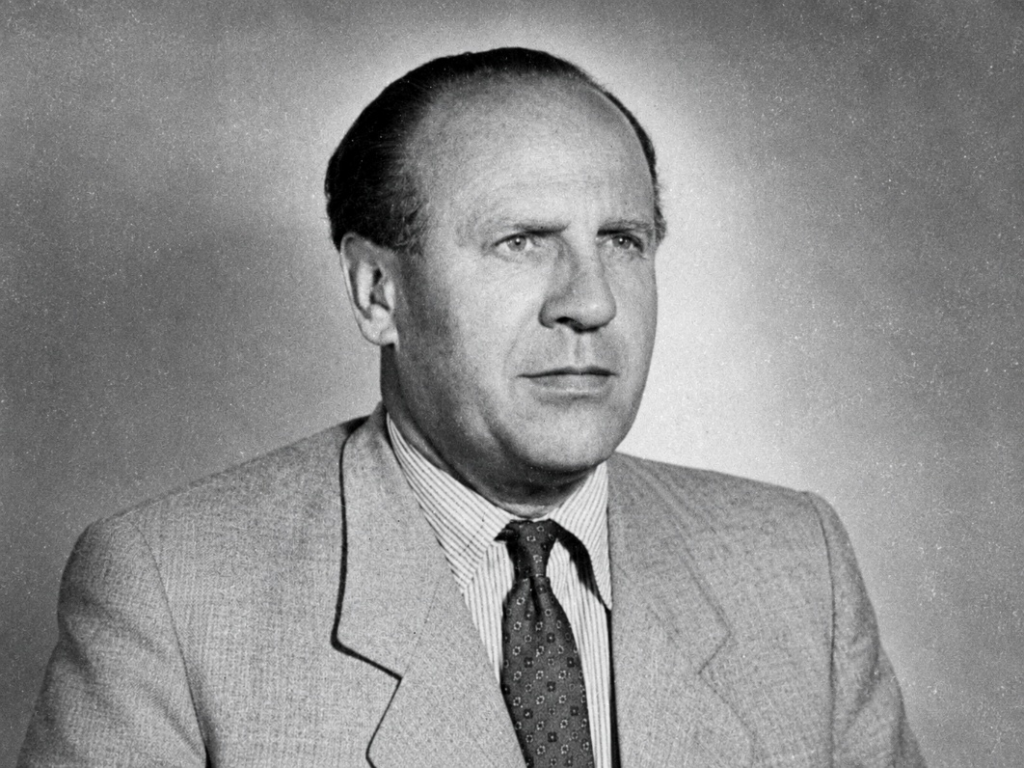
History often places people into simple categories: heroes or villains, victims or perpetrators, good or evil. But some lives cannot be understood through simple labels. Oskar Schindler’s legacy remains one of the most complicated stories of the Holocaust because he was a member of the Nazi Party who used his position, influence, and resources to save the lives of Jewish people facing persecution and extermination.

For many, Schindler is remembered as the man portrayed in Schindler’s List, a German businessman who protected Jewish workers from Nazi brutality. But for Robert Don, author of In the Midst of Darkness: A “Schindler’s List” Survivor’s Story Never Told That Confronts Intergenerational Trauma, Schindler’s story represents something even deeper: the challenge of understanding humanity after unimaginable suffering.

A Survivor’s Story Hidden Behind History

Robert Don’s memoir reveals a personal connection to Schindler’s actions. His mother, Rosa Laufer Don, survived the Holocaust because she was among those saved through Schindler’s efforts. Yet Robert did not learn this important part of his family history until years after his mother’s death.

Growing up, Robert and his brother Harry knew his mother primarily through the lens of her suffering. She carried the memories of losing family members, her experiences in Nazi concentration camps, and the devastating impact of survival. Her trauma shaped how she viewed the world and influenced how Robert and his brother understood Germans as children.  

The painful irony was that they were taught to see Germans only as enemies, while the truth of their own mother’s survival involved a German man who chose to protect Jewish lives.

The Complexity of Good and Evil

Oskar Schindler’s story challenges the idea that people can always be divided neatly into categories. Schindler was a German businessman and Nazi Party member, yet he rejected Nazi ideology that Jews be exterminated and acted to save over 1200 of his Jewish workers, including Robert and Harry’s mother.

The story reflects on this contradiction in Robert Don’s memoir: the same historical identity that represented terror and destruction for many Jewish survivors could also include individuals who chose courage and compassion. He writes about how learning Schindler’s role changed his understanding of history and forced him to confront the hatred he inherited as a child.

This does not erase the crimes of Nazi Germany. Instead, it highlights an important lesson: individuals must be judged by their choices and actions, not only by the groups or identities they are associated with.

The Hidden Impact of Survivor Trauma

One of the most powerful themes in In the Midst of Darkness is that the Holocaust’s effects did not end when survivors were liberated. The trauma continued within families, influencing children and future generations.

Robert describes how his mother’s pain became what he and his brother had to bear.   As a child, he absorbed her fears and anger because he had no other perspective through which to understand the world.  While his brother’s suffering was immeasurable, he suffered a nervous breakdown when he was 23, and Robert was 13.  He never recovered from what happened to him and throughout his adult life he was deeply impacted by mental illness, a fate that Robert often felt could have been his own.

Discovering the truth about Schindler became part of Robert’s journey toward understanding that history contains complexity. It helped him recognize that hatred passed from one generation to another can create new suffering, even when it begins with understandable pain.

Why Schindler’s Legacy Still Matters Today

Oskar Schindler’s legacy is not only about the lives he saved during one of history’s darkest periods. It is also about the choices individuals make when surrounded by injustice.

His story reminds us that courage can exist in unexpected places. It also reminds us that healing requires looking honestly at the past, both the suffering endured and the assumptions inherited afterward.

Robert Don’s memoir brings a unique perspective to this conversation. It is not simply a Holocaust survival story; it is the story of what happens after survival, when children inherit memories, fears, and unresolved questions from their parents.
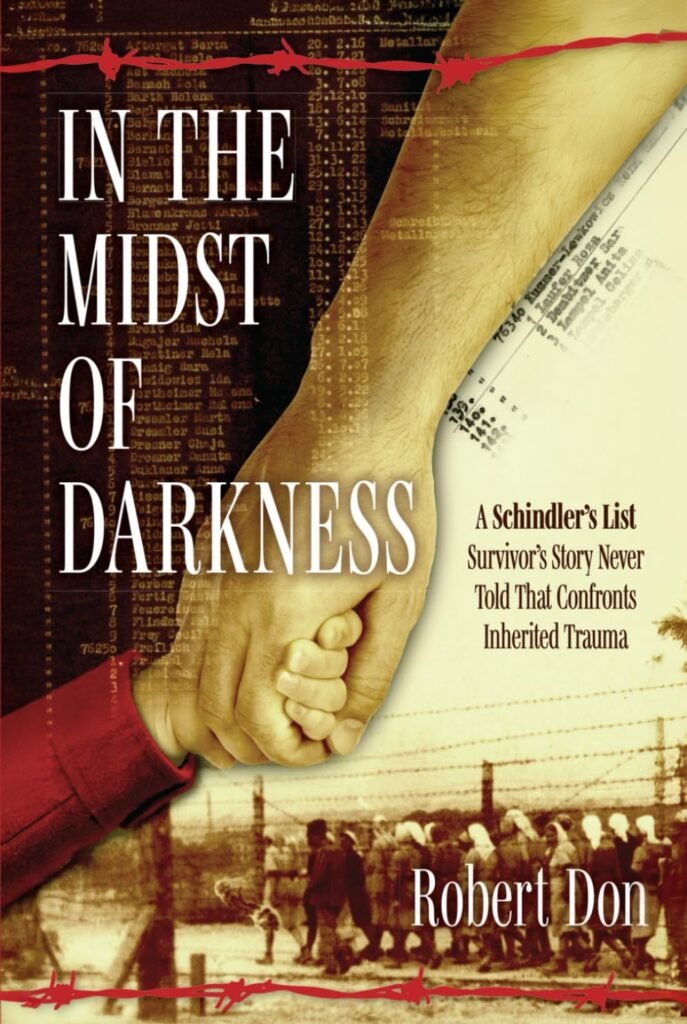
Discover the Untold Survivor Story in In the Midst of Darkness

In the Midst of Darkness by Robert Don is a deeply personal memoir about survival, family, inherited trauma, and the search for understanding.

Through Robert Don’s journey, readers discover the hidden consequences of Holocaust trauma on the next generation and the powerful lessons that emerge when painful family histories are finally uncovered.

If you are interested in Holocaust memoirs, survivor stories, family healing, and the lasting impact of history, read Robert Don’s powerful account in In the Midst of Darkness and discover the survivor story behind one of history’s most recognized names.

Explore In the Midst of Darkness today and learn how one survivor’s hidden story reveals the lasting power of memory, truth, and hope.

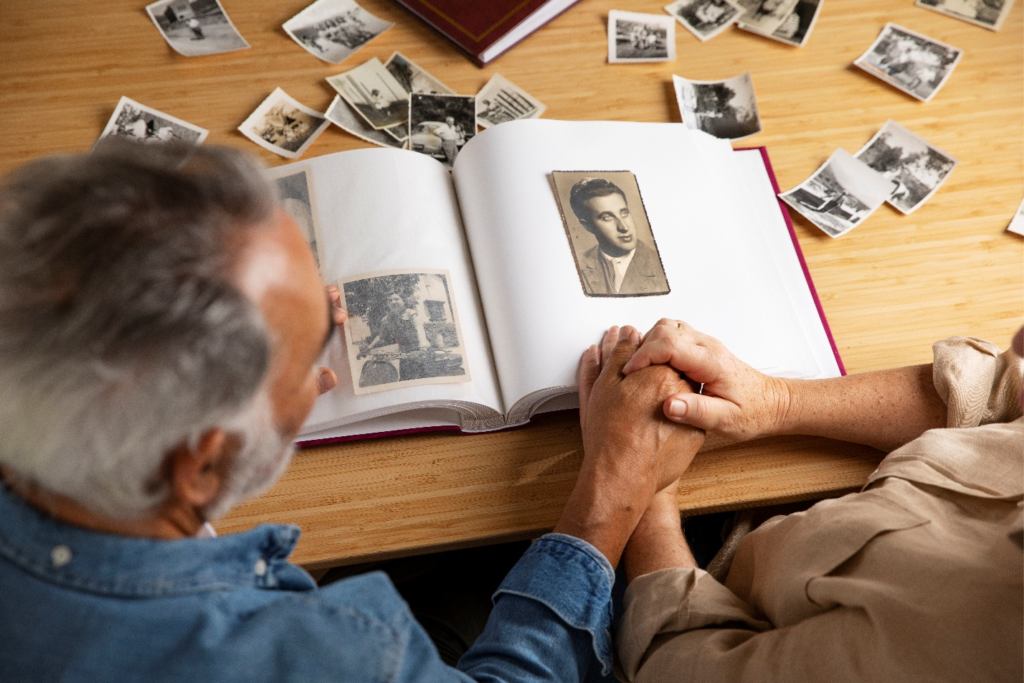
The Difference Between Remembering History and Living Inside It

The Difference Between Remembering History and Living Inside It

History is meant to teach us. It preserves the experiences of those who came before us, helps us understand human suffering, and reminds us of the choices that shape our world. But for many survivors of unimaginable events, history is not simply something remembered; it is something carried.

The difference between remembering history and living inside it can define generations. Remembering allows us to honor the past while moving forward. Living inside history can mean remaining trapped by the emotions, fears, and wounds that were never healed.

In Robert Don’s memoir, In the Midst of Darkness: A “Schindler’s List” Survivor’s Story Never Told That Confronts Intergenerational Trauma, this struggle becomes deeply personal. The book explores how Holocaust trauma continued beyond the survivor generation and shaped the lives of their children.

When the Past Becomes the Present

Robert Don grew up knowing that his mother, Rosa Laufer Don, had survived the Holocaust. She lost much of her family during the Nazi genocide and carried the emotional weight of those losses throughout her life.

As a child, Robert did not fully understand the depth of his mother’s suffering. Instead, he experienced the consequences of her unresolved trauma. Her memories, fears, and anger shaped how he viewed people and the world around him.

Robert describes how his mother’s trauma became his trauma. As a young child, he accepted her perspective because he had no other way to interpret the past. The beliefs and fears passed down to him became part of his identity before he was old enough to question them.

This is the difference between remembering history and living inside it. Remembering allows us to acknowledge pain. Living inside it can prevent us from seeing anything beyond that pain.

When Protecting the Past Shapes the Future

Remembering painful history is important. Memories preserve truth, honor those who suffered, and ensure that future generations understand what happened.

However, there is a difference between remembering the past and allowing the past to control the present.

Many survivors carry understandable fears after experiencing unimaginable events. Their reactions are often rooted in survival. But when those fears remain unresolved, they may unintentionally influence how their children see themselves, other people, and the world.

The challenge for future generations is learning how to respect the suffering of those who came before them while also creating their own understanding of life.

Honoring the Past Without Inheriting Hatred

One of the most powerful lessons in In the Midst of Darkness is that remembering suffering does not require continuing the suffering.

Robert’s childhood understanding of history was shaped by his mother’s experiences during the Holocaust. He learned about cruelty, loss, and persecution, but he did not initially know the full complexity of the people connected to that history, including the story of Oskar Schindler, the German businessman whose actions helped save Jewish lives.

Discovering the truth about Schindler challenged Robert’s childhood beliefs. It forced him to recognize that history contains complexity: there were perpetrators, victims, bystanders, and also individuals who chose courage in the face of evil.

Remembering history means confronting the truth. Living inside history means allowing the past to define every person, relationship, and possibility in the present.

The Emotional Legacy of Survivor Families

The impact of historical trauma does not always appear immediately. Sometimes it emerges through family relationships, fears, expectations, and beliefs passed from one generation to another.

Robert’s memoir explores the experience of being part of the “Second Generation” of Holocaust survivors, the children who inherited the emotional consequences of their parents’ experiences.

For children of survivors, the past can become a constant presence. They may grow up feeling responsible for protecting their parents’ pain, carrying their fears, or defending memories they did not personally experience.

The consequences of living inside history can extend beyond memories and family stories. When children inherit the emotional weight of their parents’ suffering without having the tools to understand or process it, the impact can affect their mental health, relationships, and sense of identity. Some descendants of trauma survivors have struggled with anxiety, depression, guilt, and feelings of responsibility for pain they did not personally experience. In the most severe cases, some have faced overwhelming emotional distress and struggled with thoughts of hopelessness or not being able to bear the weight of inherited suffering.

Inherited trauma can also appear through behaviors and family patterns. Some descendants have confronted difficulties involving food and control, including struggles with restrictive eating or overeating. Others have experienced challenges with emotional regulation, family conflict, or unhealthy patterns of communication that can pass between generations. When unresolved pain remains unspoken, it can influence how future generations understand safety, love, and their own place in the world.

Robert Don’s story reflects this difficult reality. His mother’s Holocaust trauma shaped his childhood experiences, his relationships, and the way he understood the world around him. As he later came to recognize, her suffering was real and unimaginable, but the emotional consequences of that suffering also affected those closest to her.

Healing begins when the next generation can honor what happened while also creating space for their own lives.

Finding Freedom Through Understanding

Remembering history is essential. Without memory, societies risk repeating the mistakes of the past. But memory should also create understanding, compassion, and awareness.

Robert Don’s journey shows that healing does not come from forgetting history. It comes from understanding it more completely.

By examining his childhood experiences, family relationships, and his mother’s trauma, Robert reveals how inherited pain can shape a person, and how awareness can help break those patterns.

Conclusion

History carries the voices of those who suffered, survived, and fought to be remembered. But the lessons of history are not meant to keep future generations trapped in pain; they are meant to help us understand, grow, and choose a better path forward.

In the Midst of Darkness by Robert Don is more than a Holocaust memoir. It is a deeply emotional exploration of family, memory, identity, and the lifelong effects of survival.

Through Robert Don’s story, readers are invited to consider important questions:

  • How do we honor the suffering of previous generations without becoming trapped by it?
  • How do we remember history while still allowing ourselves to heal?
  • How can understanding replace inherited fear and anger?

This unforgettable memoir reveals the hidden impact of Holocaust survivor trauma and offers a message of hope: the past can be remembered without controlling the future.

Get your copy today and discover Robert Don’s remarkable journey from inherited pain toward understanding, compassion, and healing.

The Question Every Generation Must Ask: What Pain Are We Passing Forward?

The Question Every Generation Must Ask: What Pain Are We Passing Forward?

We inherit family traditions, values, stories, and lessons. But sometimes, we also inherit things that are harder to see: unspoken fears, unresolved grief, and emotional wounds created by experiences we never personally lived through.

The question “What pain are we passing forward?” is not about assigning blame. It is about understanding how the experiences of previous generations can shape the thoughts, behaviors, and relationships of those who come after them.

Pain can travel through families silently. It can influence how people respond to conflict, how they view the world, and how they protect themselves. Recognizing this inherited pain is the first step toward creating a healthier future.

How Unhealed Trauma Affects Future Generations

Trauma does not always end when an event is over. For many survivors of war, persecution, violence, or loss, the emotional impact can continue long after the danger has passed.

Survivors may carry memories, fears, and grief that remain deeply connected to their identity. Their children may grow up surrounded by those emotions, even if they never experienced the original hardship themselves.

This is known as intergenerational trauma, the process through which the effects of traumatic experiences can influence future generations.

Children often learn how to understand the world through their parents. They absorb attitudes, fears, and beliefs before they are old enough to question them. In this way, the emotional experiences of one generation can become part of the next generation’s reality.

When Protecting the Past Shapes the Future

Remembering painful history is important. Memories preserve truth, honor those who suffered, and ensure that future generations understand what happened.

However, there is a difference between remembering the past and allowing the past to control the present.

Many survivors carry understandable fears after experiencing unimaginable events. Their reactions are often rooted in survival. But when those fears remain unresolved, they may unintentionally influence how their children see themselves, other people, and the world.

The challenge for future generations is learning how to respect the suffering of those who came before them while also creating their own understanding of life.

The Emotional Weight Children Carry

Children naturally trust the people who raise them. Parents are their first teachers, their first source of security, and their first explanation of the world.

Because of this, children may inherit emotional burdens without realizing it.

They may feel responsible for protecting a parent’s pain. They may adopt fears that were formed before they were born. They may carry family conflicts that they did not create.

Breaking this cycle requires awareness. Families must be willing to ask difficult questions:

  • What fears were passed down to us?
  • What beliefs were created from pain rather than understanding?
  • What can we honor from the past while choosing a different future?

Discovering Truth and Creating Healing

Healing does not require forgetting history.

Instead, healing begins when people are willing to understand the full story. Many family histories contain both suffering and resilience, loss and survival, tragedy and moments of courage.

When hidden stories are uncovered, they can change how future generations understand themselves and their families.

Truth can create compassion. Understanding can replace fear. And awareness can help families decide what they want to carry forward, and what they are ready to release.

Conclusion

Every generation has a responsibility to examine what it inherits.

The past shapes us, but it does not have to define us. Families can honor the experiences of previous generations while choosing to pass forward empathy, resilience, and hope instead of unresolved pain.

The question “What pain are we passing forward?” is ultimately a question about responsibility and healing.

By recognizing inherited wounds, having honest conversations, and seeking understanding, each generation has the opportunity to transform suffering into wisdom.

Robert Don’s memoir, In the Midst of Darkness, explores this question through his family’s deeply personal experience. The book examines how the trauma of Holocaust survival affected not only those who endured it but also the children who grew up in its aftermath.

Through Robert Don’s journey, readers discover a powerful story about inherited pain, family relationships, hidden histories, and the search for understanding. His mother’s survival story, including the fact that she was saved through the actions of Oskar Schindler, became a revelation that reshaped his understanding of his family’s past.

In the Midst of Darkness invites readers to reflect on their own family histories and consider an important question:

What pain has been passed down, and what hope can the next generation choose to carry forward?

This Is Not Our Voice”: When Extremists Speak for Everyone

This Is Not Our Voice”: When Extremists Speak for Everyone

Public discourse increasingly appears to belong to its most extreme participants. Outrage dominates headlines, hostile statements spread rapidly online, and uncompromising figures receive attention that quieter voices rarely attract. The result is a dangerous illusion: extremists begin to appear representative of entire races, religions, cultures, or political communities.

But visibility is not the same as legitimacy. Most people want safety, dignity, opportunity, and peace. They may disagree strongly about how to achieve those goals, but disagreement does not automatically make them enemies. When extremists claim to speak for everyone, our response should be clear: “This is not our voice.”

How Extremism Exploits Fear

Extremist movements succeed by simplifying complicated problems. They divide the world into heroes and enemies, then blame a particular population for economic insecurity, political frustration, or social change. Individuals disappear behind labels, and collective suspicion replaces evidence.

The Holocaust remains history’s gravest warning about where organized dehumanization can lead. It should not be casually equated with every modern conflict. However, its lessons remain urgent: hateful language matters, propaganda can normalize cruelty, and silence allows dangerous ideas to move from society’s margins toward its institutions.

Remembering that history requires more than mourning its victims. It requires recognizing the early mechanisms of exclusion before they become accepted behavior.

Refusing Collective Blame

When an extremist commits violence or promotes hatred, entire communities are often expected to answer for that individual. This response reinforces the same logic extremists use: treating people as interchangeable members of a group rather than as individuals responsible for their own choices.

Rejecting collective blame does not mean ignoring wrongdoing. It means condemning the responsible person or organization without transferring guilt to millions of innocent people who share a nationality, ethnicity, religion, or culture.

We should also resist the temptation to answer one form of hatred with another. Suffering may explain anger, but it cannot make prejudice just. Once dehumanization becomes acceptable against any group, everyone’s dignity becomes less secure.

Reclaiming the People’s Voice

The public voice is reclaimed through daily courage. Community leaders can reject inflammatory rhetoric. Educators can teach students to examine propaganda and verify claims. Families can challenge inherited stereotypes. Individuals can refuse to share material designed only to provoke fear.

Listening is equally important. People who feel ignored can become vulnerable to anyone offering certainty and belonging. Honest dialogue gives disagreement a constructive outlet before resentment is recruited by extremism.

Discover a Personal Story Behind the Warning

In the Midst of Darkness by Robert Don explores how his mother’s Holocaust trauma shaped the beliefs and emotional lives of her children. Her suffering was real, but the hatred it produced became an inherited burden. The memoir follows Don’s struggle to separate his own voice from fear, prejudice, and family pain, and to finally recognize the humanity of his German stepmother, Kathy.

Read the paperback, hardcover, or eBook to experience the complete journey. Then use the memoir as the centerpiece of a moderated discussion in your book club, classroom, congregation, or community organization. Ask each participant to distinguish remembrance from retaliation, personal accountability from collective blame, and authentic conviction from inherited prejudice.

Purchase or share In the Midst of Darkness not simply as a memoir, but as an invitation to speak differently. Extremism may command attention, but it does not have to define us. Our true voice can be one of memory without hatred, disagreement without dehumanization, and courage without cruelty.


From Stereotypes to Discrimination: How Racial Bias Is Created and Reinforced

From Stereotypes to Discrimination: How Racial Bias Is Created and Reinforced

Racial bias rarely appears without a foundation. It often begins with stories, assumptions, and warnings repeated until they seem true. When children hear that members of a racial, ethnic, or cultural group are dangerous, inferior, or untrustworthy, they may absorb those ideas before they are capable of questioning them.

Over time, inherited assumptions can become part of a person’s worldview. A stereotype stops feeling like an opinion and begins to feel like a fact. This is how bias becomes normalized: not necessarily through one dramatic lesson, but through repeated messages delivered by family members, communities, entertainment, and institutions.

How Stereotypes Become Discrimination

Prejudice is sometimes transmitted through unresolved trauma. A person harmed by members of one group may begin to associate the entire group with danger. If those fears are repeatedly shared with children, the next generation can inherit anger toward people it has never personally encountered.

The power of learned ideology can also be seen in the choices of Oskar Schindler. As a member of the Nazi Party, Schindler initially operated within a society deeply shaped by Nazi beliefs and loyalties. Yet after witnessing the brutality inflicted on Jewish people in the Kraków Ghetto and the Plaszów concentration camp, he moved beyond that ideology and chose to act against the system surrounding him. Schindler ultimately helped save 1,248 Jewish lives, including Robert’s mother, demonstrating that even deeply embedded beliefs and social pressures do not have to determine a person’s actions. His story provides a powerful counterpoint to the way prejudice can be passed forward: harmful ideas may be learned and reinforced, but they can also be questioned, rejected, and replaced by the recognition of another person’s humanity.

Breaking the Cycle

Reducing racial bias requires awareness, honest self-examination, and meaningful contact with people outside our familiar circles. We must ask where our beliefs originated, whether they are supported by personal evidence, and whom they might harm.

Education also matters. Learning history helps us understand injustice, but history should deepen our humanity rather than encourage new forms of collective blame. Listening to individual stories enables us to recognize people as complex human beings instead of representatives of a category.

In the Midst of Darkness by Robert Don offers an intimate examination of inherited prejudice, family conflict, mental illness, compassion, and reconciliation. Through Robert Don’s experience, readers can see how hatred is taught and how a person can begin to unlearn it.

Choose the paperback, hardcover, or eBook edition and read the complete memoir. Share it with families, educators, book clubs, and community groups, then use its story to begin an honest conversation: Which beliefs have we inherited, whom have they prevented us from understanding, and what can we do today to break the cycle?

The Cycle of Hate: How Generational Trauma Can Shape Attitudes Toward Others

The Cycle of Hate: How Generational Trauma Can Shape Attitudes Toward Others

Trauma does not always end with the person who experienced it. Survivors of war, genocide, persecution, displacement, or family violence may carry fear and anger long after the immediate danger has passed. Their children can then grow up surrounded by emotional responses to events they never witnessed.

This transmission is known as generational or intergenerational trauma. It may appear through family stories, silence, overprotectiveness, distrust, emotional instability, or warnings about particular groups. A parent may believe these lessons will keep a child safe. Instead, they can teach the child to perceive danger where none exists.

How Trauma Becomes an Attitude

Children depend on adults to explain the world. When a trusted parent repeatedly identifies a race, nationality, religion, or culture as threatening, a child may accept that judgment without question. The parent’s memories become the child’s assumptions.

Those assumptions can eventually influence friendships, relationships, and everyday decisions. The child may avoid people from the targeted group, interpret neutral behavior as hostile, or repeat prejudiced ideas without understanding their origin. Trauma has then moved beyond memory and begun shaping conduct.

This does not mean survivors are responsible for the violence committed against them. Nor does it suggest that their pain should be forgotten. It means untreated suffering can have consequences that extend far beyond the original injustice.

The Self-Reinforcing Cycle of Hate

Inherited prejudice often strengthens itself. People tend to notice experiences that confirm what they already believe while dismissing evidence that challenges them. If one negative encounter occurs, it may be treated as proof that the stereotype was correct. Positive encounters are described as exceptions.

Families and communities can reinforce this pattern by repeating the same stories without examining their broader meaning. Eventually, hatred may be presented as loyalty: rejecting the perceived enemy becomes a way of honoring those who suffered.

But remembrance and prejudice are not the same. We can recognize historical injustice, preserve survivors’ testimony, and demand accountability without assigning guilt to every person who shares an offender’s background.

Interrupting the Inheritance

Breaking the cycle begins with awareness. People must identify which fears come from their own experiences and which were inherited from someone else. Therapy, education, and respectful contact with different communities can help separate legitimate caution from generalized hostility.

Healing also requires compassion for both generations. Parents may have transmitted fear because they lacked the support or language needed to process what happened. Their children can acknowledge that suffering without allowing it to determine whom they hate.

Read In the Midst of Darkness by Robert Don to discover how Holocaust trauma shaped one family’s fears, prejudices, and relationships, and how an unexpected act of compassion challenged a lifetime of inherited hatred. Available in paperback, hardcover, and eBook formats, this powerful memoir is an ideal choice for personal reflection, book clubs, classrooms, counseling groups, and community discussions about generational trauma.

Order your copy today, share the story with someone whose perspective it could deepen, and begin an honest conversation about the beliefs we inherit, the people those beliefs affect, and the courage required to break the cycle of hate.